

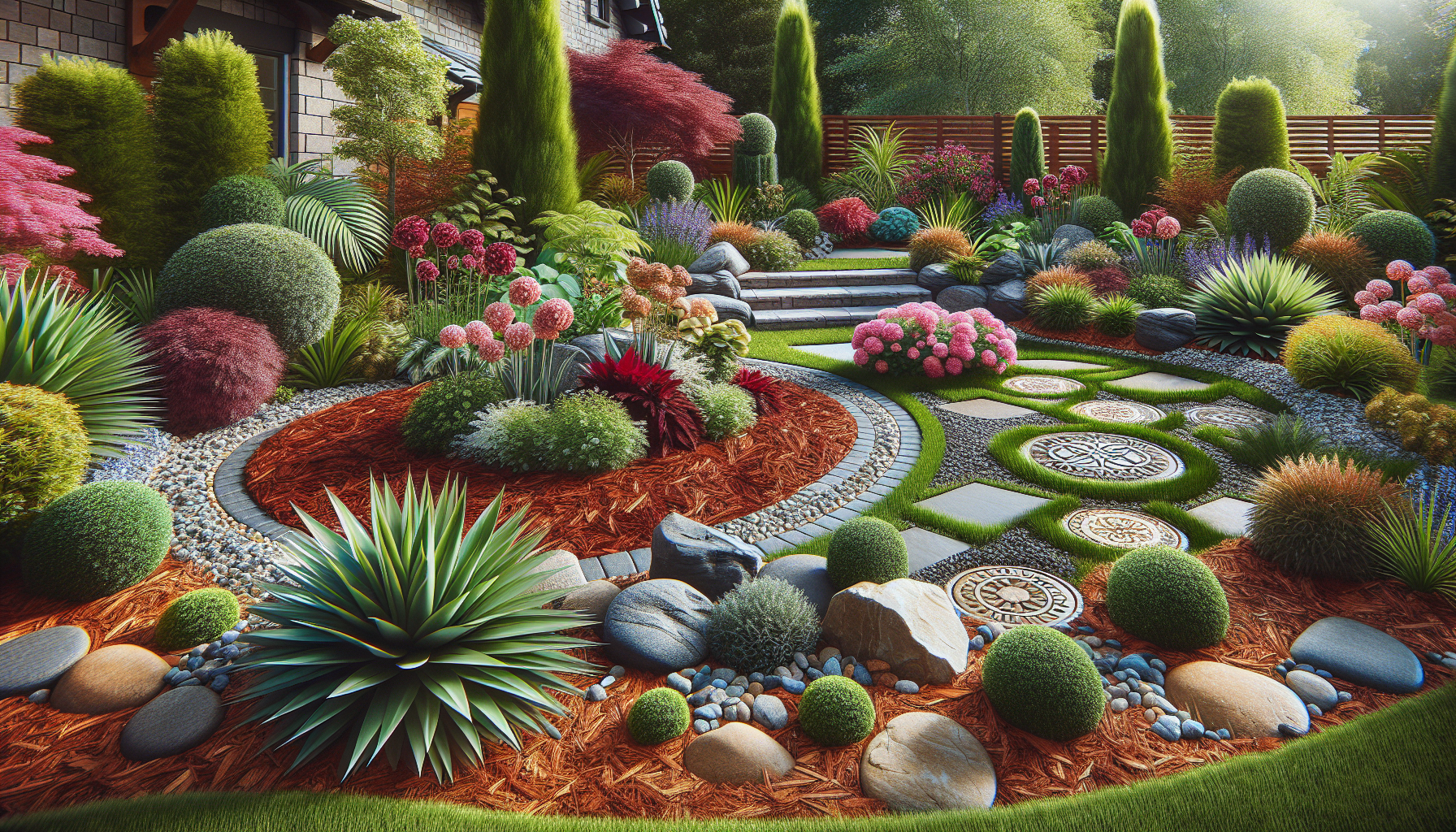
What is mulching, and how can it impact your hardscaping projects?
You might be thinking that mulching is just a way to keep your flower beds looking tidy, but it offers so much more, especially in hardscaping. Mulching can improve the overall aesthetics, health, and sustainability of your outdoor space. Let’s break down the benefits that mulching brings to hardscaping and help you understand how it can elevate your landscaping experience.

Understanding Mulching
What Is Mulching?
Mulching is the process of applying a layer of material on the soil’s surface. This can include organic materials like wood chips, bark, straw, and grass clippings or inorganic materials like stones and rubber. The aim is simple: to protect the soil and enhance its appearance.
Why Use Mulch in Hardscaping?
Using mulch in hardscaping projects can provide a variety of benefits. It doesn’t just contribute to the looks of your garden, but it also plays a significant role in the health of your landscape.
The Benefits of Mulching in Hardscaping
1. Soil Moisture Retention
One of the primary functions of mulch is to help retain moisture in the soil. This is particularly important during hot and dry seasons. The layer of mulch slows down evaporation, allowing plants to thrive without needing excessive watering.
- Less Watering: You can save time and water by reducing the frequency of your irrigation efforts.
- Healthier Plants: Consistent moisture can lead to stronger and healthier plants.
2. Weed Suppression
Weeds can be quite a nuisance in any garden, robbing your plants of vital nutrients and water. Mulching provides a barrier that prevents sunlight from reaching weed seeds, thus inhibiting their growth.
- Reduced Weeding Efforts: With mulch in place, you won’t have to spend as much time battling those pesky weeds.
- Enhanced Aesthetics: A weed-free garden looks much more inviting and polished.
3. Temperature Regulation
Mulch helps regulate soil temperature, keeping it cooler in the summer and warmer in the winter. This protection creates a better environment for your plants to grow.
- Protection from Extreme Conditions: Your plants are less likely to suffer in extreme temperatures, resulting in a more stable ecosystem.
- Improved Plant Growth: Consistent temperature conditions can boost growth rates in your garden.
4. Erosion Control
In hardscaping, soil erosion can severely affect the structure and stability of your landscape. Mulching provides effective erosion control by holding the soil in place.
- Reduced Soil Runoff: Mulch reduces the impact of rain, lessening the chance of soil being washed away.
- Sustained Soil Integrity: By maintaining the soil structure, your landscape will remain healthier over time.
5. Nutrient Delivery
Organic mulching breaks down over time, adding valuable nutrients back into the soil. This natural process enhances soil health and supports plant growth.
- Improved Soil Fertility: As organic materials decompose, they enrich the soil with essential nutrients.
- Long-Term Benefits: Healthy soil leads to a thriving garden throughout the seasons.
6. Aesthetic Appeal
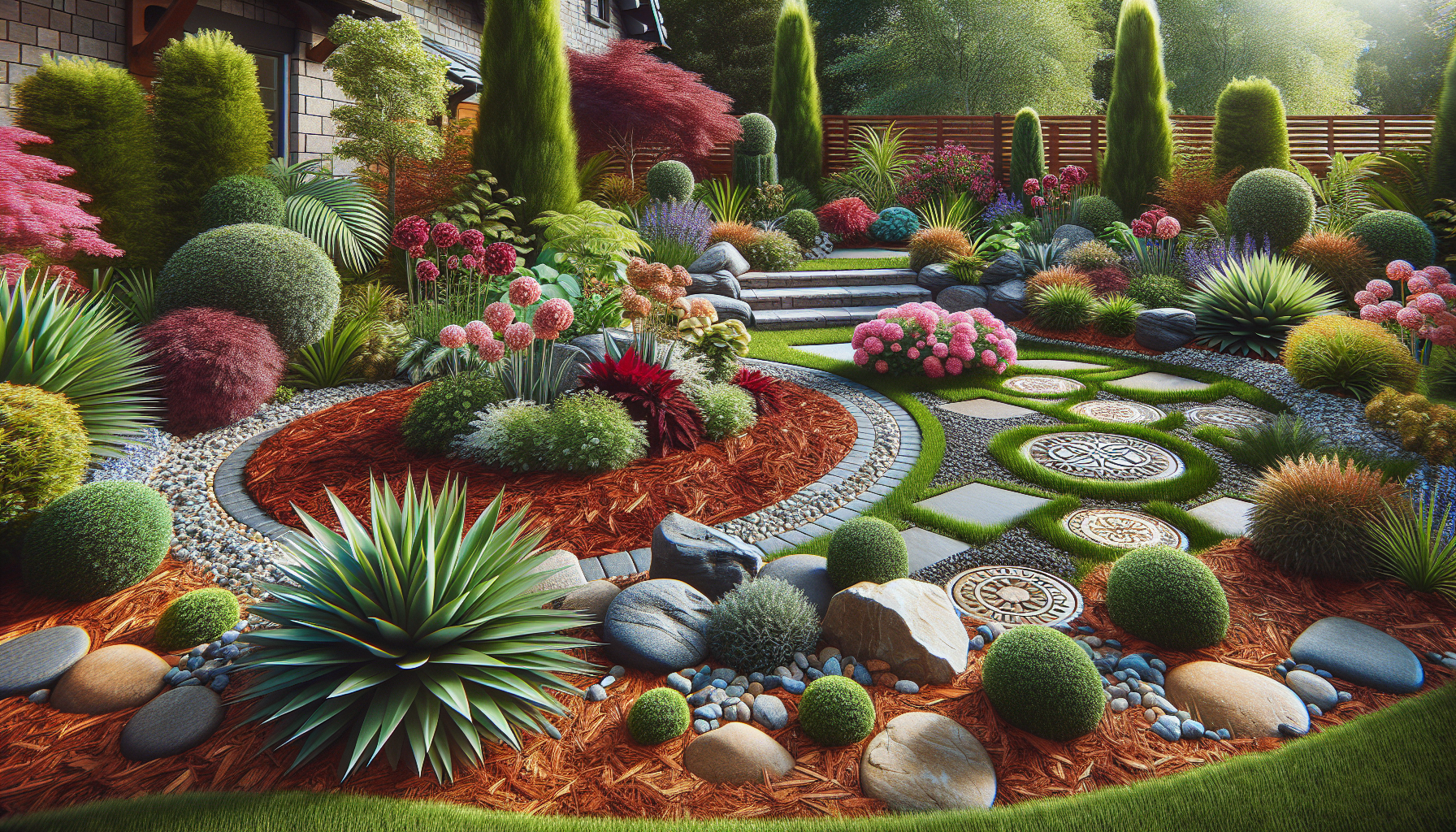
A well-mulched garden can significantly enhance the beauty of your landscape. Different types of mulch come in various colors and textures, allowing for creative design options.
- Visual Interest: You can choose mulch that complements your garden and hardscape elements.
- Defined Areas: Mulching creates clear boundaries between flower beds, pathways, and lawns.
7. Pest Control
Some types of mulch can deter pests from invading your garden. For instance, cedar and pine bark mulch contain natural oils that repel insects.
- Reduced Pest Problems: Using the right mulch can lower the risk of insect infestations.
- Healthier Plants: Fewer pests mean healthier plants that can focus on growth rather than defense.
Types of Mulch for Hardscaping
Organic Mulches
Organic mulches are made from natural materials that decompose over time. Here are some common types:
| Type | Benefits |
|---|---|
| Wood Chips | Good for moisture retention and slow decomposition. |
| Bark Mulch | Long-lasting and visually appealing. |
| Straw | Light and airy; ideal for vegetable gardens. |
| Grass Clippings | Rich in nitrogen and enriches the soil. |
Inorganic Mulches
These mulches do not decompose and can last for a very long time. Some popular options include:
| Type | Benefits |
|---|---|
| Gravel | Excellent for drainage and stability. |
| Landscape Fabric | Prevents weeds while allowing water to pass. |
| Rubber Mulch | Long-lasting and soft underfoot, good for play areas. |
How to Apply Mulch
Preparing the Area
Before applying mulch, follow these steps:
- Clear the Area: Remove weeds, stones, and debris from the space where you plan to apply mulch.
- Level the Soil: Rake the soil to create an even surface. This will help the mulch lay flat and look nice.
- Water the Soil: Water the soil adequately before adding mulch. This will help with moisture retention.
Applying the Mulch
- Choose the Right Depth: Aim for a depth of 2 to 4 inches, depending on the type of mulch you use. Too deep can suffocate plants; too shallow can be ineffective.
- Spread Evenly: Use a rake or your hands to spread the mulch evenly. Make sure to avoid piling it too close to plant stems.
- Maintain the Area: Check the mulch level regularly and replenish as needed to maintain optimal coverage.
Maintaining Your Mulch
Regular Checks
After applying mulch, keep an eye on its condition. Check for any signs of weed growth or pest activity.
Refreshing the Mulch
Over time, mulch can decompose or wash away. Refreshing your mulch every season ensures it continues providing the benefits discussed.
- Add a New Layer: If the mulch has thinned, simply add more to maintain the desired depth.
- Turn and Mix: For organic mulches, turning the mulch can help accelerate decomposition and reintegrate nutrients back into the soil.
Common Misconceptions About Mulch
Mulch Attracts Pests
While some believe that mulch can attract pests, the right type of mulch can actually deter them. Be sure to select a mulch type that minimizes pest attraction.
Mulching Is Only for Vegetable Gardens
Mulching is beneficial for all types of gardens, including flower beds, hardscaping areas, and pathways. Its advantages extend beyond just vegetable gardening.
The Cost Effectiveness of Mulching
Using mulch can be a cost-effective solution for maintaining a healthy landscape. Here’s how:
Reduced Water Costs
Less watering means lower water bills. With the moisture retention that mulch provides, you’ll notice savings over time.
Lower Maintenance Costs
With fewer weeds and pests, you spend less on gardening supplies and labor. Mulching can reduce the overall time and money you invest in your landscape.
Choosing the Right Mulch for Your Project
Climate Considerations
Consider your local climate when choosing mulch. For hotter areas, opt for organic mulches that retain moisture. In wetter regions, consider inorganic options that prevent oversaturation.
Plant Needs
Think about the specific plants in your garden. Some plants thrive in organic mulch, while others may do better with gravel or stone.
Hardscape Features
If your hardscaping includes pathways or decorative elements, select a mulch that complements these features. Colors and textures can enhance the overall aesthetic.
Conclusion
Mulching is a simple yet effective technique that offers a host of benefits for your hardscaping projects. From water conservation and weed suppression to aesthetic enhancement and pest control, incorporating mulch into your landscape can yield significant rewards.
When you think about upgrading your hardscaping, consider how mulch can streamline maintenance and improve plant health.
If you’re ready to take your hardscaping to the next level, reach out to Xclusive Home Services. They’ll help you with all your hardscaping needs, ensuring that you have the best materials and practices in place.
Remember, your outdoor space deserves the best care possible, and mulching might just be the key to achieving that.
Contact Information:
Xclusive Home Services
14505 N. Hayden Rd., Ste. 101
Scottsdale, AZ 85260
Phone: (602) 341-5545
Email: management@xclusivehomeservicesco.com
Founded in 2025, Xclusive Home Services aims to be your one-stop solution for all home services, including hardscaping.