


What if you could choose between two sturdy solutions for your landscaping and retaining needs—gabions or a retaining wall? It’s an interesting decision, especially when you consider factors like cost, aesthetics, and functionality. In this article, let’s explore the differences between these two choices and see if gabions truly offer a more budget-friendly option than traditional retaining walls.

Understanding Gabions
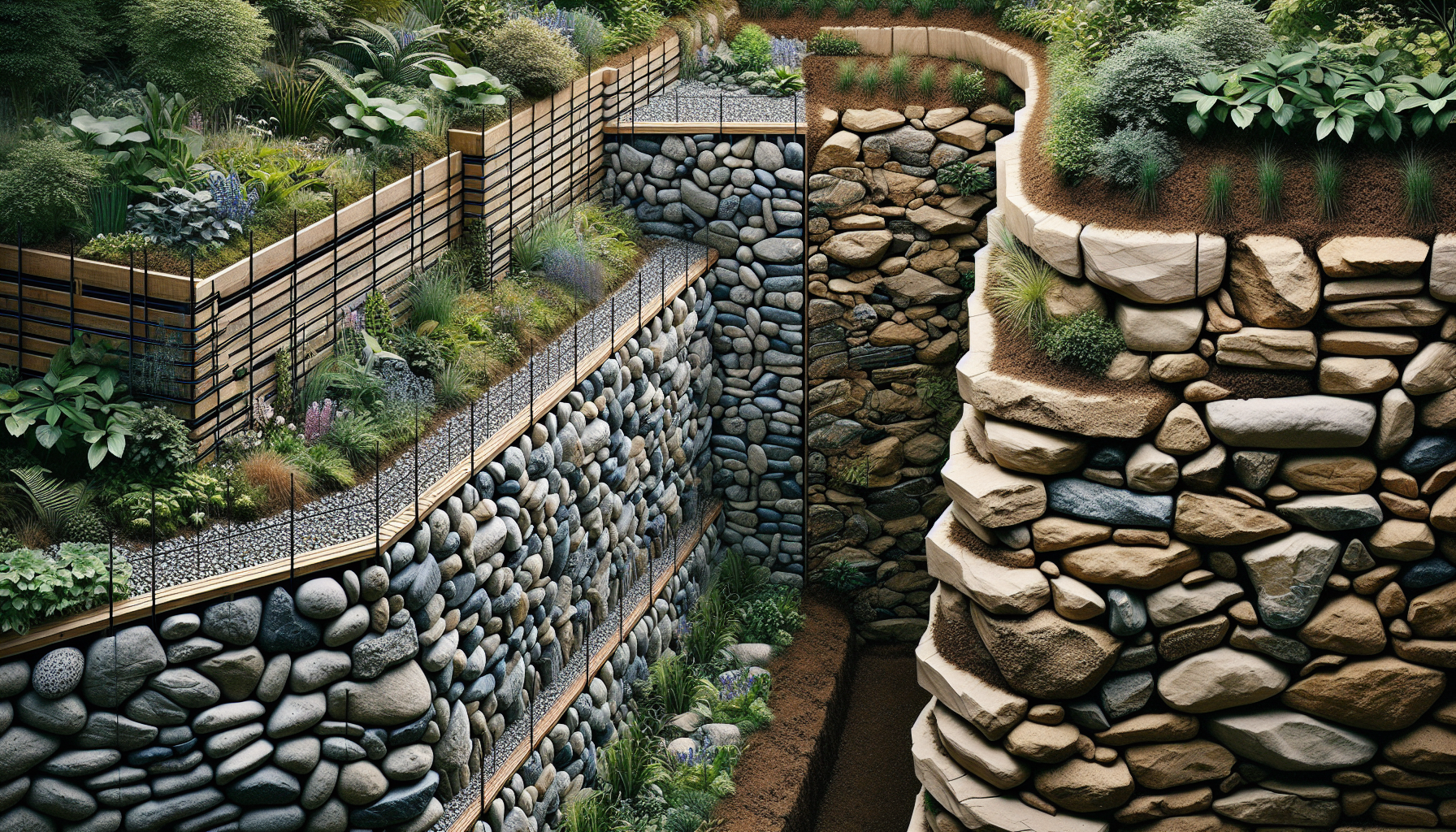
Gabions are wire mesh baskets filled with rocks or other materials. They offer a versatile solution for many landscaping projects. You might spot them in public parks, along highways, or as part of erosion control measures. Their rugged appearance can blend beautifully into various landscapes, making them not just functional but also an aesthetic choice.
One of the reasons you might consider gabions is their affordability. Compared to traditional retaining walls, gabions require fewer materials and often less labor to install. The wire mesh can hold larger stones, and you can fill these baskets with local, easily sourced materials, which can drive down costs further.
Additionally, gabions have excellent drainage properties. This means they can effectively manage water runoff, reducing the risk of damage due to erosion. Many homeowners appreciate this benefit, especially in areas prone to heavy rainfall or where soil stability is a concern.
Understanding Retaining Walls
Retaining walls, on the other hand, are typically made from concrete, stone, or brick and serve to hold back soil and prevent erosion. They come in various styles, including modular block walls, cantilevered walls, and gravity walls. Each type has specific construction methods and costs associated with it.
A significant advantage of retaining walls is their stability and strength. They can withstand substantial lateral pressure from the soil they retain. This makes them ideal for steeper slopes or areas where soil erosion is a persistent problem. While retaining walls can be beautiful and add value to your property, they can also be on the pricier side due to the materials and labor involved.
Cost Comparison: Gabions vs. Retaining Walls
Initial Costs
When you’re assessing whether gabions are cheaper than retaining walls, the first factor to look at is the initial installation cost. Gabions are generally more affordable upfront. The materials required for gabions—wire mesh and stones—are often less expensive than the concrete or natural stone used for a traditional retaining wall.
For instance, a basic gabion wall may cost you anywhere from $10 to $30 per square foot. Meanwhile, a retaining wall can range from $30 to $100 per square foot, depending on the materials and design complexity.
Long-Term Costs
While initial costs are essential, you should also consider long-term expenses. Gabions often require less maintenance than a retaining wall. They naturally allow water to pass through, which can reduce issues related to drainage and pressure buildup. Conversely, retaining walls may need sealing, periodic inspection, and repairs over time, especially if built with materials prone to cracking.
Labor Costs
Labor can significantly impact the total expense of your project. Gabions can be easier to install, often requiring less specialized labor than a traditional retaining wall. If you or someone you know feels comfortable handling the installation, you can save on labor costs even more.

Aesthetic Appeal
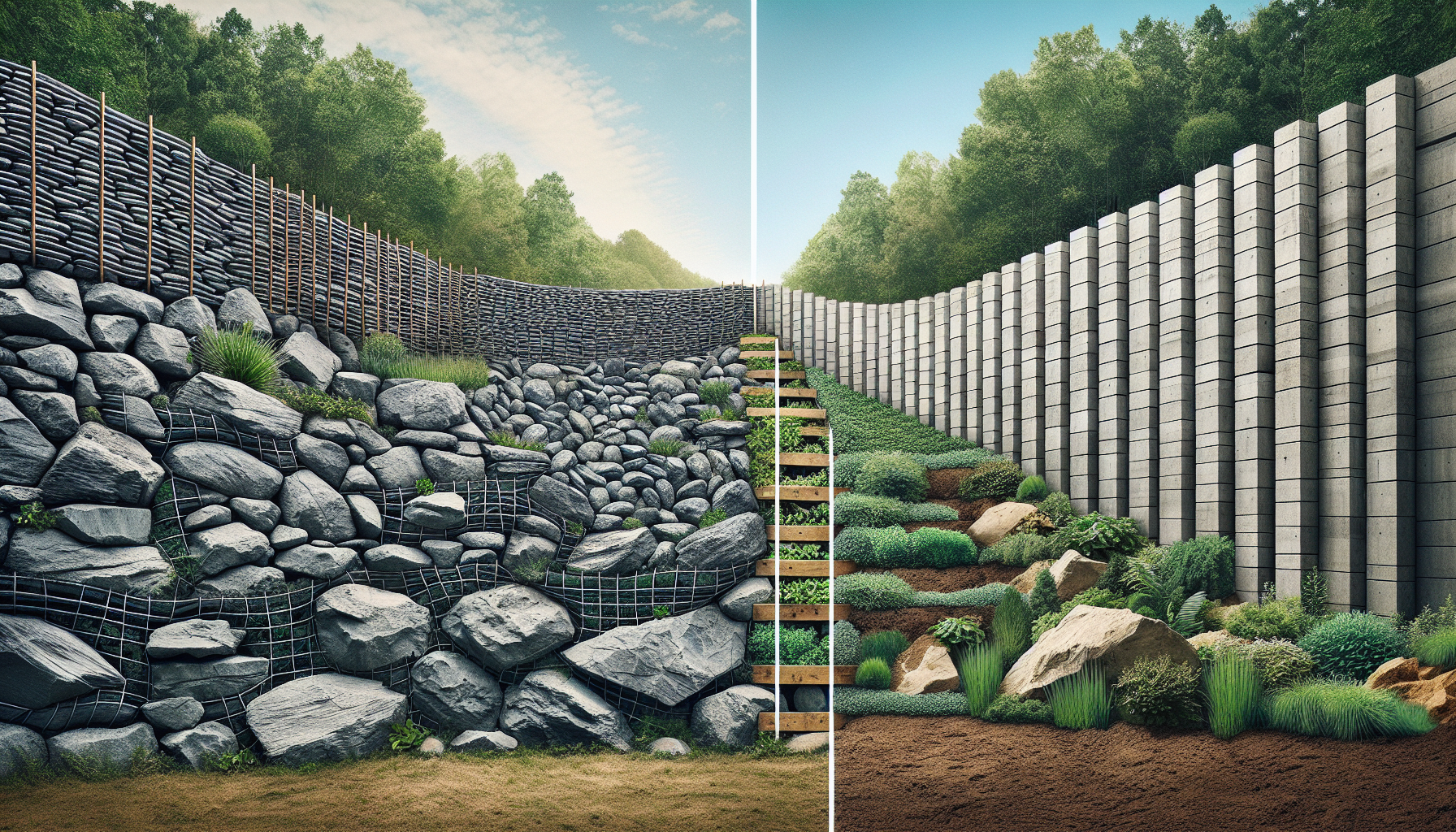
In choosing between gabions and retaining walls, aesthetics are a key factor. Gabions present a unique, rustic appearance that blends well with natural surroundings. Some people view them as more modern and environmentally friendly, especially in landscapes that pride themselves on being organic.
Retaining walls, while more traditional, provide a wide range of styles. You can choose from various materials that can complement your home’s architecture. However, some homeowners may feel that they clash with a more naturalistic setting.
If you prioritize a modern look while keeping costs in check, gabions might be the way for you. On the other hand, if you are drawn to the classic charm of stone or brick, a retaining wall may suit your preferences better, despite the higher price.
Use Cases for Gabions
Gabions are particularly beneficial in a range of situations. Here are some of the most common uses:
Erosion Control
In areas where soil erosion is a significant problem, gabions provide a robust solution. By interlocking them into slopes or hillocks, you can minimize the risks of landslides or washouts, particularly during heavy rainfall.
Decorative Features
Many people use gabions as visual elements in their landscaping. They can serve as garden beds, seating, or even ornamental features along pathways or drives. This multifunctionality can enhance your outdoor space without adding massive costs.
Flood Prevention
If you live in a flood-prone area, gabions can aid in managing water flow. Their drainage capabilities allow them to absorb excess water while supporting surrounding soil, reducing the risk of flooding.
Use Cases for Retaining Walls
On the flip side, retaining walls are also crucial in certain scenarios. Below are common applications.
Managing Steep Slopes
If you have a property with a steep incline, a retaining wall can help secure the area and create usable flat spaces. This can maximize your available land and allow for landscaping or even outdoor entertainment areas.
Enhancing Property Value
A well-constructed retaining wall can enhance the aesthetic appeal of your property, potentially raising its market value. If you plan to sell your home eventually, investing in a high-quality retaining wall might attract buyers looking for well-maintained properties.
Creating Garden Beds
Just like with gabions, retaining walls can also be used to create raised garden beds. This can make gardening easier, especially if you want to grow fruits or vegetables that require a specific amount of sunlight.
Durability and Longevity
When investing in any landscaping feature, durability matters. Both gabions and retaining walls can last many years, but they do have differences worth noting.
Gabions
Gabions are generally resistant to deterioration because the wire mesh can withstand rust and corrosion if made with galvanized materials. Additionally, their structure allows for natural erosion, meaning they can adapt over time.
Retaining Walls
Retaining walls’ lifespan largely depends on the chosen materials. Stone walls can last generations, while concrete walls require regular maintenance to ensure they do not crack over time. They are also more susceptible to water damage if not adequately drained.
Environmental Impact
Another layer to consider involves the environmental ramifications of both structures.
Gabions
Using local stones for gabions can lessen the carbon footprint of your project. They blend into the environment well, promoting natural drainage and supporting local ecosystems.
Retaining Walls
While constructing a retaining wall may involve more energy-intensive materials like concrete, options exist that feature more eco-friendly substances. As such, if you’re passionate about minimizing your environmental impact, you can choose materials that align with your values.
Conclusion
In summary, when deciding whether gabions are cheaper than a retaining wall, the answer often leans towards gabions. They usually have lower initial installation costs, reduced labor expenses, and minimal long-term maintenance requirements. However, personal preference, aesthetic appeal, and the specific needs of your landscape also play crucial roles in this decision.
If you find yourself considering a transforming project involving gabions or retaining walls, think about reaching out to experts who can provide guidance and installation. For all your home service needs, don’t hesitate to get in touch with Xclusive Home Services.
Contact Xclusive Home Services:
Xclusive Home Services
14505 N. Hayden Rd., Ste. 101
Scottsdale, AZ 85260
Phone: (602) 341-5545
Email: management@xclusivehomeservicesco.com
Founded in 2025, Xclusive Home Services is dedicated to providing solutions for various home projects. Whether you need assistance with hardscaping, pool installations, or any other home service, they can deliver results efficiently and effectively. Consider contacting them for a consultation to see how they can help you.