


What do you think is the difference between gravel and soil? At first glance, they might seem similar, both being essential components of the earth beneath our feet. However, understanding their differences can help you make better decisions in various projects, whether landscaping, gardening, or construction.
Let’s take a moment to picture your surroundings. Imagine your neighborhood. Perhaps it’s a bustling suburb with tree-lined streets and houses adorned with blooming gardens. You might see families spending time outdoors, children playing in the yards, and individuals caring for their plants. Some homes might have vibrant flower beds, while others showcase sleek, hardscaped patios.
The composition of the land in your area plays a significant role in how gardens thrive and structures are built. Underneath the beautiful lawns and colorful gardens, there’s a combination of gravel, soil, and other elements working together. Soil, with its rich composition and essential nutrients, is what plants need to grow. Gravel, on the other hand, serves a more structural role in landscaping and construction projects.
Understanding the character and function of gravel and soil can empower you to make knowledgeable choices for your home and garden. Let’s break down these two materials to clarify where they differ and how they are used.
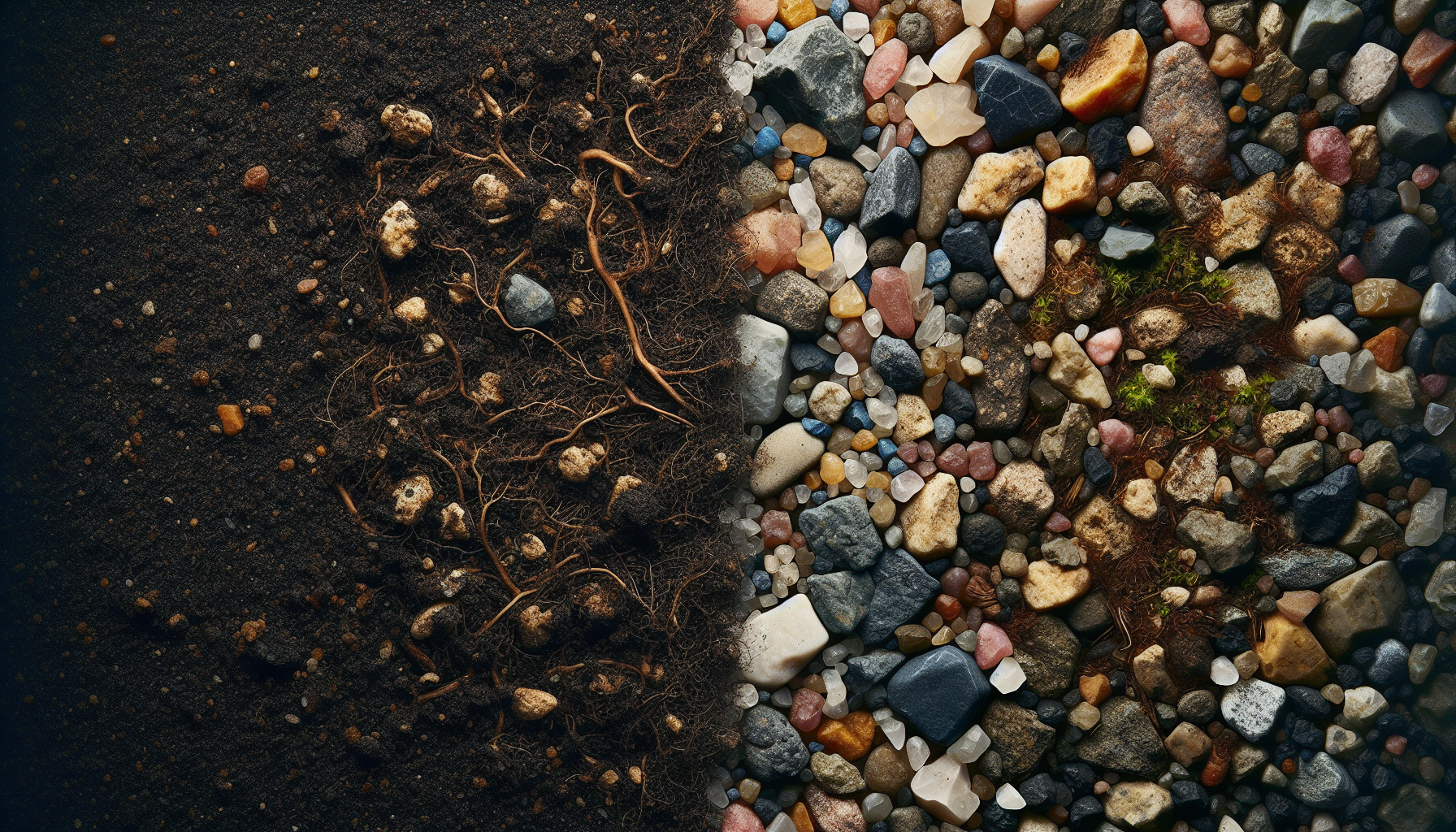

What is Soil?
Soil is a complex mixture of organic material, minerals, gases, liquids, and countless microorganisms. It forms the basis of life for many plants and organisms in our ecosystem. There are several key components to soil that you might find interesting:
Components of Soil
- Organic Matter: This consists of decomposed plants, animals, and microorganisms, providing vital nutrients for plant growth.
- Minerals: Soil is made up of rock particles. The mineral composition can vary from one location to another. Typically, you’ll encounter sand, silt, and clay, each playing an essential role in soil behavior and water retention.
- Water and Air: Good soil will contain a certain percentage of water and air. These elements are crucial for root development and nutrient absorption.
Types of Soil
When you look at gardens in your neighborhood, you might notice the type of soil varies. There are several common types of soil, such as:
- Clay Soil: This soil type holds water well but can become compacted easily, making it difficult for roots to penetrate.
- Sandy Soil: This soil has a coarse texture that drains quickly but can struggle to retain moisture and nutrients.
- Silt Soil: Silt retains moisture better than sandy soil and often has a smooth texture, making it quite fertile.
- Loamy Soil: This is often considered the best soil for gardening. It offers a balance of sand, silt, and clay, providing good drainage while retaining enough moisture and nutrients.
Importance of Soil
Soil is not just dirt; it is a living ecosystem. It provides the essential nutrients that plants need to thrive. Healthy soil supports diverse plant life and, consequently, supports wildlife as well. If you have a garden, understanding soil health is key to producing vibrant plants.
What is Gravel?
Gravel, unlike soil, has a much simpler composition. It primarily consists of small rock fragments and can vary in size, shape, and type. Gravel is usually used for different purposes, such as improving drainage in construction or landscaping projects.
Types of Gravel
- Pea Gravel: Small and smooth, this type is often used in pathways and gardening due to its aesthetic appeal.
- Crushed Stone: More angular in shape, this gravel type is used in construction, providing a solid base for roads and buildings.
- River Rock: Naturally rounded, this gravel is typically used for decorative purposes in landscape design.
Importance of Gravel
Gravel plays a critical role in landscaping, drainage, and construction. When you think about your driveway or garden paths, gravel provides that necessary base. It helps improve water drainage and keeps surfaces level.
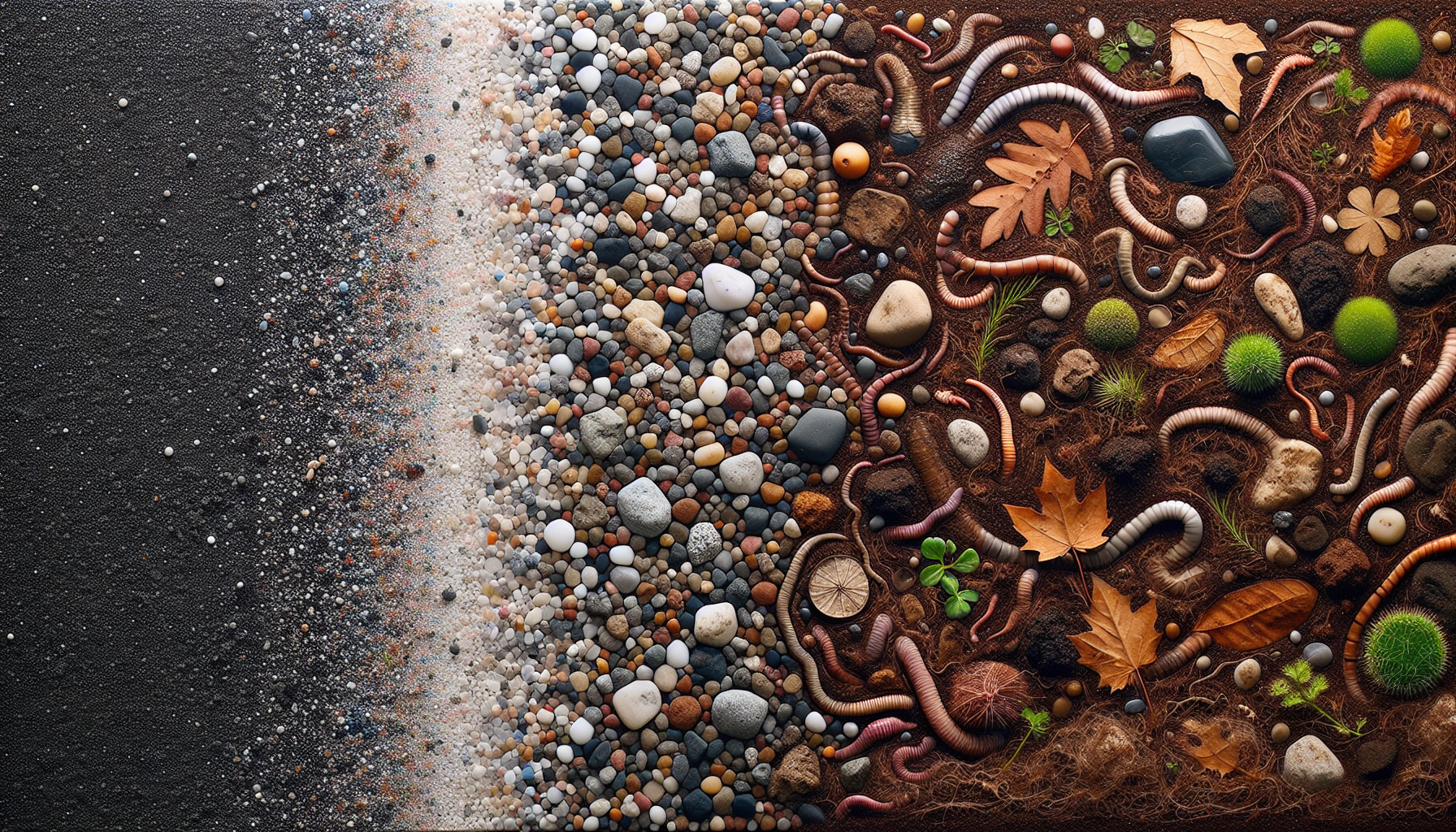

Key Differences Between Soil and Gravel
Now that you have a better understanding of both materials, let’s highlight some key differences:
| Feature | Soil | Gravel |
|---|---|---|
| Composition | Organic matter and minerals | Rock fragments |
| Texture | Varies (sandy, clay, loamy) | Angular or smooth |
| Nutrient Content | Rich in nutrients | Lacks nutrients |
| Primary Use | Plant growth | Drainage and stability |
| Water Retention | Retains moisture | Drains quickly |
| Biological Activity | High (supports life) | Low (inert material) |
When to Use Soil vs. Gravel
Understanding when to use soil and gravel can help you achieve your landscaping and gardening goals. Here are some tips:
Using Soil
- Gardening: If you’re planting flowers, shrubs, or vegetables, choose soil with good nutrients and moisture retention.
- Foundation for Lawns: Healthy soil is vital for strong grass growth.
Using Gravel
- Driveway Construction: For a stable surface, gravel helps with drainage and prevents erosion.
- Pathways: Gravel paths provide a durable and functional solution for outdoor walkways.
- Water Drainage: If you’re dealing with pooling water in your yard, gravel is great for creating drainage systems.
Landscape Benefits of Gravel and Soil
Both gravel and soil can enhance your outdoor space in unique ways. Understanding their benefits can guide your choices:
Benefits of Soil
- Enhanced Plant Growth: Healthy soil leads to robust plants that thrive.
- Water Retention: Good soil can hold moisture for plants and reduce the need for frequent watering.
- Biodiversity: Soil is home to various organisms essential for nutrient cycling and plant health.
Benefits of Gravel
- Low Maintenance: Gravel surfaces require less upkeep than traditional concrete or grass areas.
- Aesthetic Appeal: Decorative gravel can enhance the visual aspects of your landscape.
- Natural Drainage: Gravel allows water to pass through, which can help prevent flooding in garden areas.
Conclusion
In summary, gravel and soil serve distinct but important functions in landscaping and gardening. While soil offers nutrients and support for plant growth, gravel provides structure and effective drainage solutions. Understanding the differences between the two can help you create beautiful and functional outdoor spaces.
If you’re planning to enhance your home’s exterior by adding gravel pathways or optimizing your garden’s soil, consider getting expert assistance. Local services, like Xclusive Home Services, can help with landscaping projects to ensure everything looks just right.
With a range of services, including hardscaping and garden restoration, they are your go-to team for making your outdoor area shine. Feel free to reach out to them for any of your roofing or landscaping needs.
Xclusive Home Services
14505 N. Hayden Rd., Ste. 101
Scottsdale, AZ 85260
Phone: (602) 341-5545
Email: management@xclusivehomeservicesco.com
Exploring your neighborhood, you can see how gravel and soil work together behind the scenes to create the beautiful landscapes you enjoy every day. Understanding their differences not only enriches your knowledge but also empowers you to make better choices for your projects!