

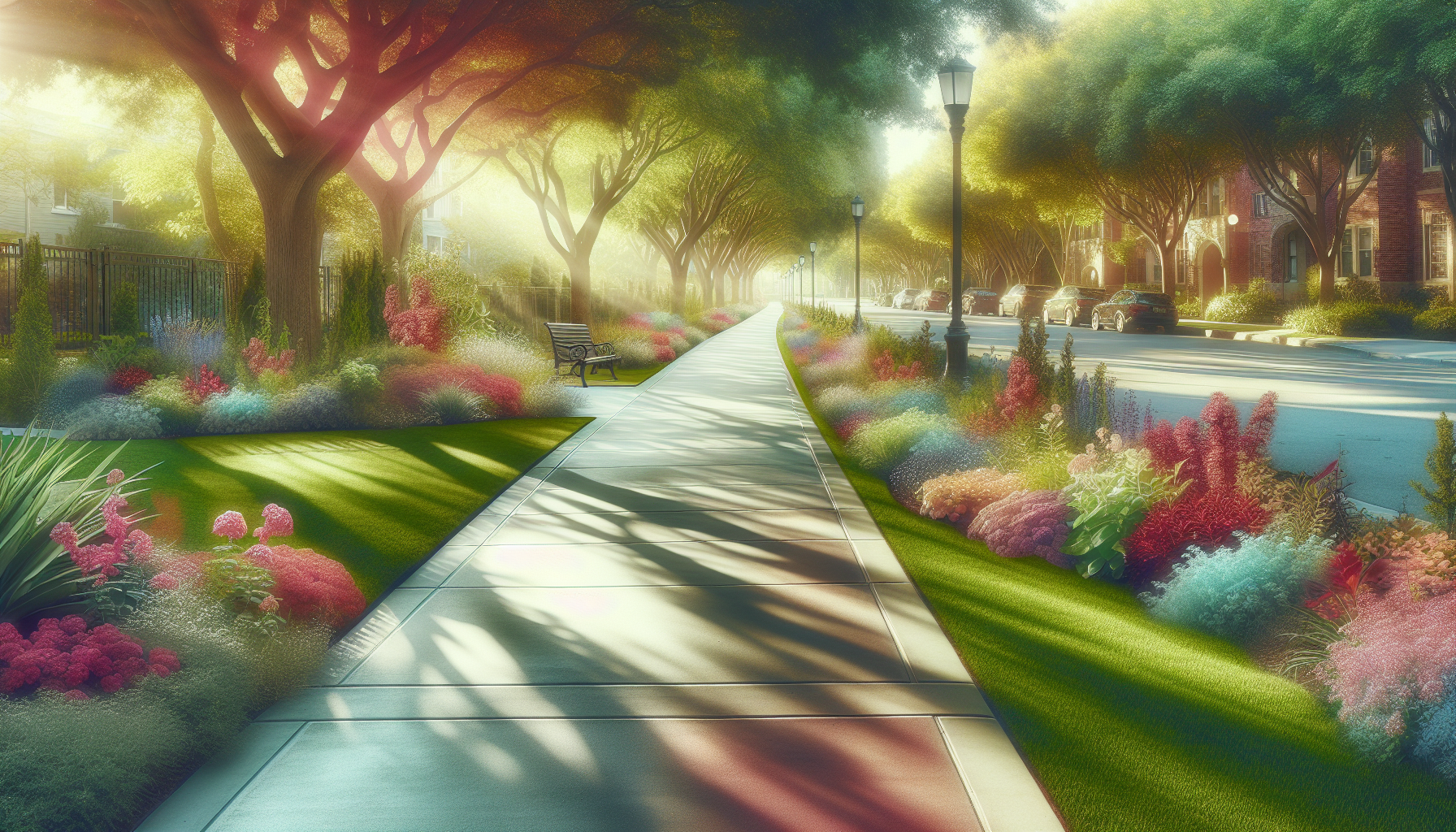
Have you ever walked down your neighborhood street and noticed the sidewalks? Have you given thought to whether they are simply a passage for pedestrians or a part of something larger? The look and feel of your community are often defined by the elements that make it up, like sidewalks. Let’s break this down and see if sidewalks are considered hardscapes.

Understanding Your Neighborhood
Walking through a city, suburb, or cozy neighborhood, you’ll find that each area has its unique charm. Take a moment and think about your surroundings. Are there bustling sidewalks filled with people? Or maybe quieter lanes winding through lovely homes? These aspects create the atmosphere of your environment.
In many neighborhoods, sidewalks serve as more than just pathways; they connect homes, parks, and businesses. They help foster a sense of community as people stroll, jog, or bike alongside one another. The design and maintenance of these sidewalks can influence how people engage with their surroundings.
You may also think about the materials used in creating these paths. Concrete, brick, and stone are common choices, each offering a different aesthetic and function. They all contribute to the overall landscape of your area, even if you don’t realize it at first glance.
What is Hardscaping?
Hardscaping is the non-plant elements of landscaping, and it includes everything from paths to patios and retaining walls. It focuses on structures that are made from hard, durable materials and essentially supports the layout of your outdoor environment. Knowing this can elevate your understanding of your surroundings.
The Components of Hardscaping
The elements that make up hardscaping are varied. Understanding them can help you better appreciate the design of your neighborhood. Here are some common components:
-
Patios: Areas designed for seating and outdoor activities. These spaces can be made from paving stones, concrete, or other durable materials.
-
Walkways: Paths used to connect different areas such as gardens and patios to your home, often made from materials like brick or flagstone.
-
Retaining Walls: Walls built to hold back soil in sloped areas, which can add depth and definition to landscaping.
-
Driveways: Usually made of concrete, stone, or asphalt, they provide a practical surface for parking vehicles.
-
Fences and Decks: Structures that define property boundaries and provide additional usable space outdoors.
Each component plays a role in how people experience their outdoor spaces. Your neighborhood consists of various types of hardscaping, wrapping it in charm and functionality.
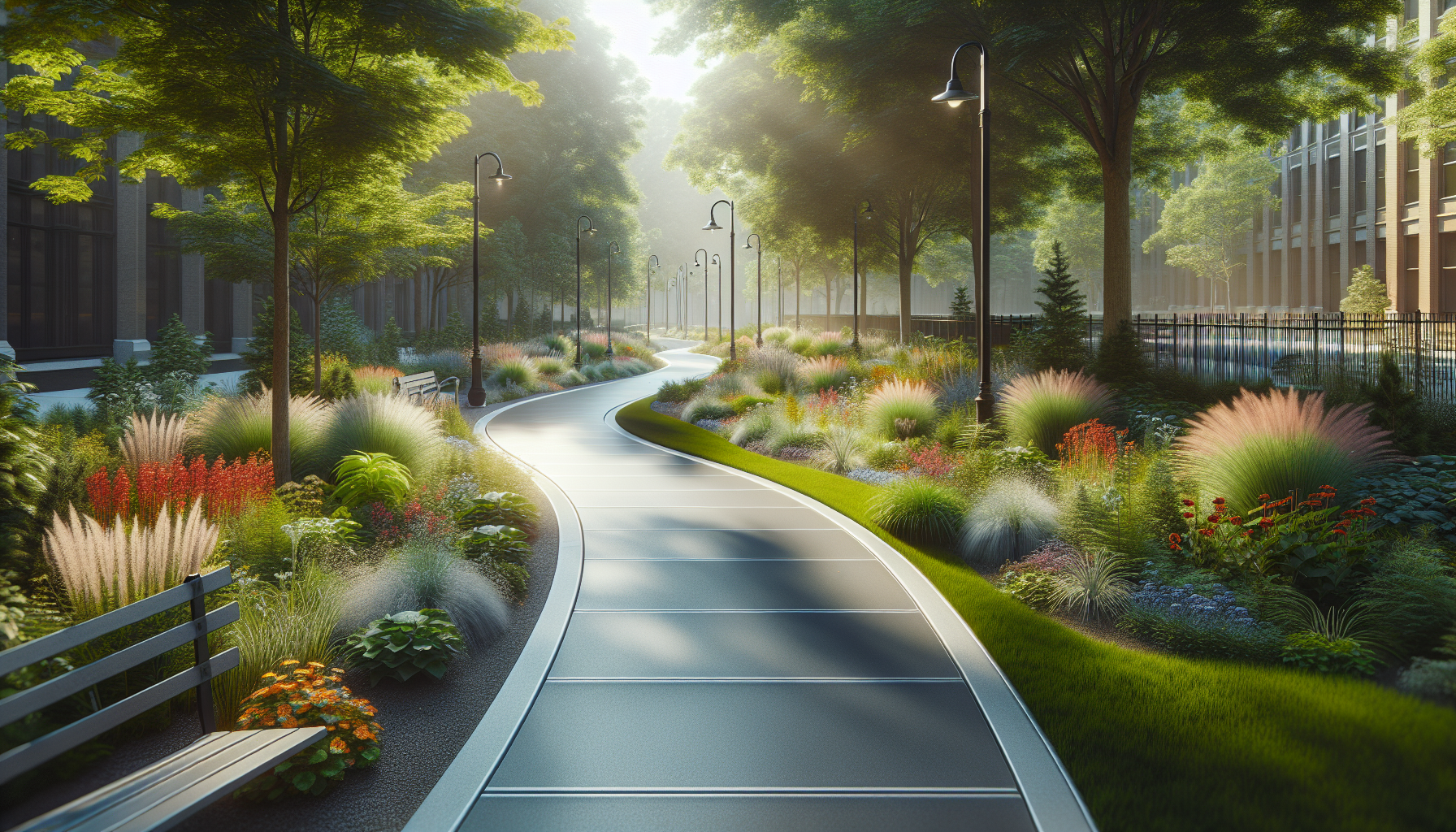

Are Sidewalks Hardscapes?
With the components of hardscaping clarified, let’s address the pressing question: Are sidewalks considered hardscapes?
The Definition of Sidewalks
Sidewalks are paved areas specifically designed for pedestrians. They typically run alongside roads and serve as safe pathways for walking. Sidewalks can vary in materials, often using concrete or bricks, which are durable and easy to maintain.
The Case for Sidewalks as Hardscapes
Because sidewalks are constructed from hard materials and provide functionality within landscapes, they fit the definition of hardscaping. Here are a few reasons why sidewalks qualify:
-
Durability: Made from materials like concrete, sidewalks can withstand various weather conditions and heavy foot traffic.
-
Functionality: Sidewalks serve a practical purpose by providing safe routes for pedestrians. They help ensure safety and ease of movement in your community.
-
Integration: Sidewalks are often designed to complement other hardscaping elements, like driveways and roads. Their layout is typically part of the overall landscaping plan.
These features strengthen their classification as hardscapes and demonstrate their integral role within the broader landscape.
The Importance of Sidewalks in Urban Planning
Sidewalks play a crucial role in urban planning and development. Understanding their importance can reshape how you view these essential elements in your neighborhood.
Enhancing Walkability
One of the primary benefits of sidewalks is that they enhance walkability. Walkable neighborhoods foster healthier lifestyles by encouraging people to walk more often. Here’s how sidewalks contribute:
-
Safety: Sidewalks provide a safe space for pedestrians away from vehicular traffic.
-
Accessibility: They offer access to important locations like schools, parks, and stores.
-
Community Interaction: Sidewalks allow for increased interactions, making neighborhoods feel friendlier and more connected.
When neighborhoods prioritize sidewalks, they cultivate an environment that promotes walking and community engagement.
Environmental Impact
Another aspect to consider is the environmental influence of sidewalks. While they are part of hardscaping, they impact the natural surroundings in various ways.
-
Stormwater Management: Properly designed sidewalks can help in managing stormwater runoff, allowing water to seep into the ground and recharge groundwater supplies.
-
Urban Heat Reduction: Materials used for sidewalks can contribute to urban heat islands, and with thoughtful planning, these effects can be minimized.
By incorporating sidewalks into landscaping plans, communities can address environmental challenges while enhancing the urban landscape.
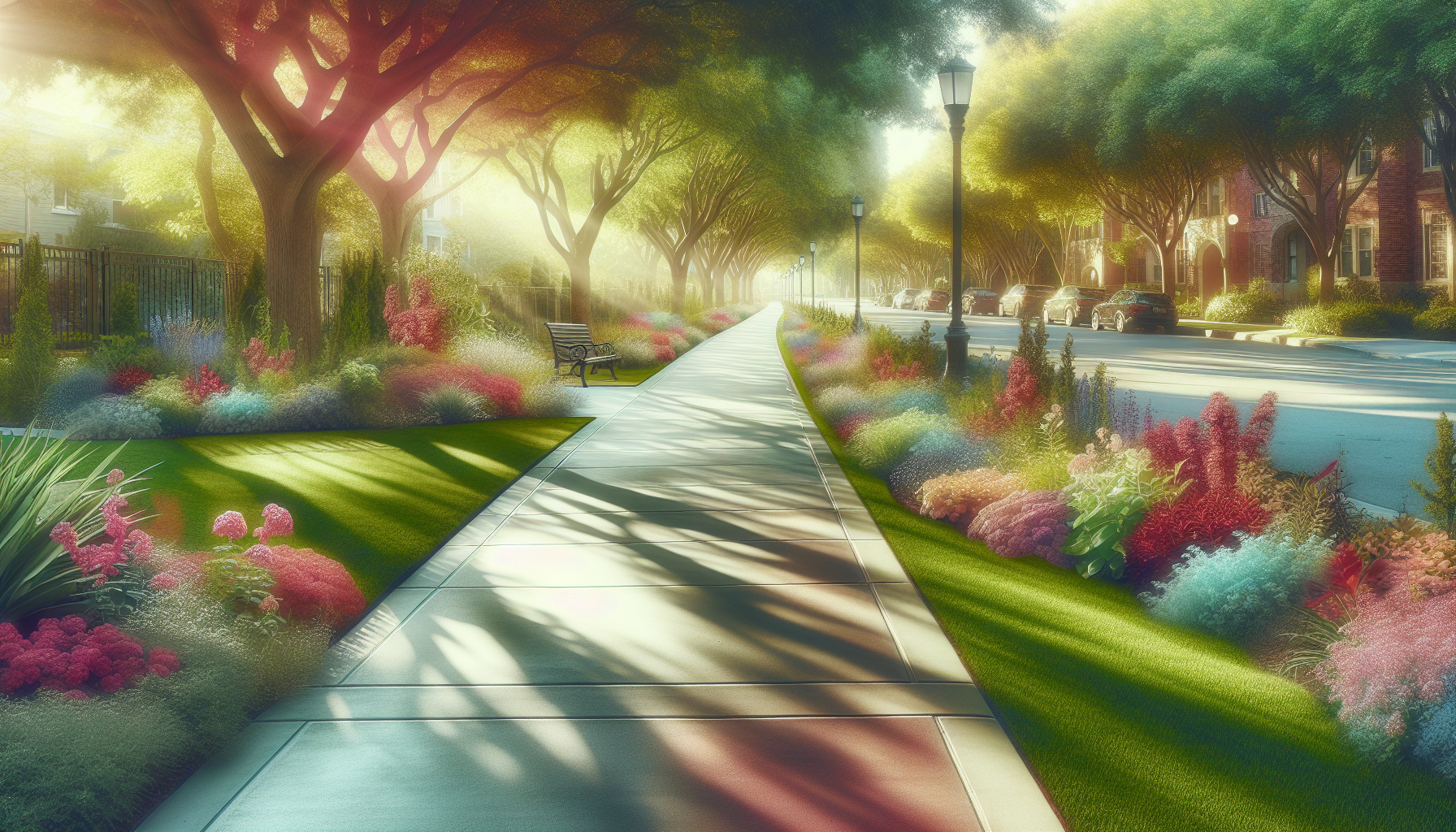
The Materials Used in Sidewalk Construction
The quality and appearance of sidewalks depend significantly on the materials used. Here’s a breakdown of some popular choices and their benefits:
| Material | Benefits |
|---|---|
| Concrete | Durable and long-lasting; easy to maintain. |
| Brick | Attractive and can blend with other landscaping elements; good for creating patterns. |
| Pavers | Available in various styles and colors; easy to replace if damaged. |
| Asphalt | Cost-effective; smooth surface suitable for heavy traffic. |
Choosing the right material not only enhances aesthetics but also influences maintenance and durability. Consider the unique needs of your neighborhood when evaluating different materials.
Maintenance and Upkeep of Sidewalks
Maintaining sidewalks is vital for safety and aesthetics. Regular upkeep can prolong their lifespan and improve the community’s overall appearance. Here are some tips to ensure your sidewalks remain in top shape:
-
Regular Cleaning: Sweep away debris to prevent slips and falls. You can also use a hose or pressure washer for a deeper clean.
-
Inspection for Cracks: Look for cracks or damage that might pose safety risks. Addressing these issues quickly can prevent further wear.
-
Sealing: For concrete sidewalks, consider applying a sealant every few years to protect against moisture and stains.
With these simple maintenance strategies, you can help keep sidewalks looking great while ensuring safety for all pedestrians.
The Role of Sidewalks in Community Identity
Sidewalks contribute significantly to the character and identity of a community. The design, materials, and layout of sidewalks can reflect the culture and history of your area.
Unique Designs and Patterns
In some neighborhoods, sidewalks are not just functional; they are also visually appealing. Community planners often incorporate unique designs or patterns to set specific areas apart. You might notice:
-
Artistic Elements: Sidewalks adorned with mosaics or art pieces that reflect local culture or history.
-
Color Variations: Different colors or textures that delineate pedestrian zones from vehicular traffic.
Such features can enhance a sense of pride in the community and encourage residents to take ownership of their surroundings.
Community Events and Engagement
Sidewalks also build a foundation for community gatherings and events. Whether hosting a weekend farmer’s market or a block party, sidewalks facilitate interaction among neighbors. This engagement fosters a sense of belonging, making communities stronger.
Conclusion
Now that you understand the role of sidewalks in your surroundings, it’s clear they are indeed considered hardscapes. From their materials to their impact on walkability and community identity, sidewalks are integral to your neighborhood landscape.
As you walk along those paths, take a moment to appreciate their significance. Remember that well-maintained sidewalks enhance your experience and your community as a whole. If you’re considering any outdoor home projects, including hardscaping, Xclusive Home Services can assist with all your needs. Located at 14505 N. Hayden Rd., Ste. 101, Scottsdale, AZ 85260, they are just a call away at (602) 341-5545 or you can email them at management@xclusivehomeservicesco.com.
Your neighborhood deserves to shine, and it starts with the foundational elements like sidewalks. Embrace the beauty of hardscapes in your community and enjoy every step you take on those pathways!