

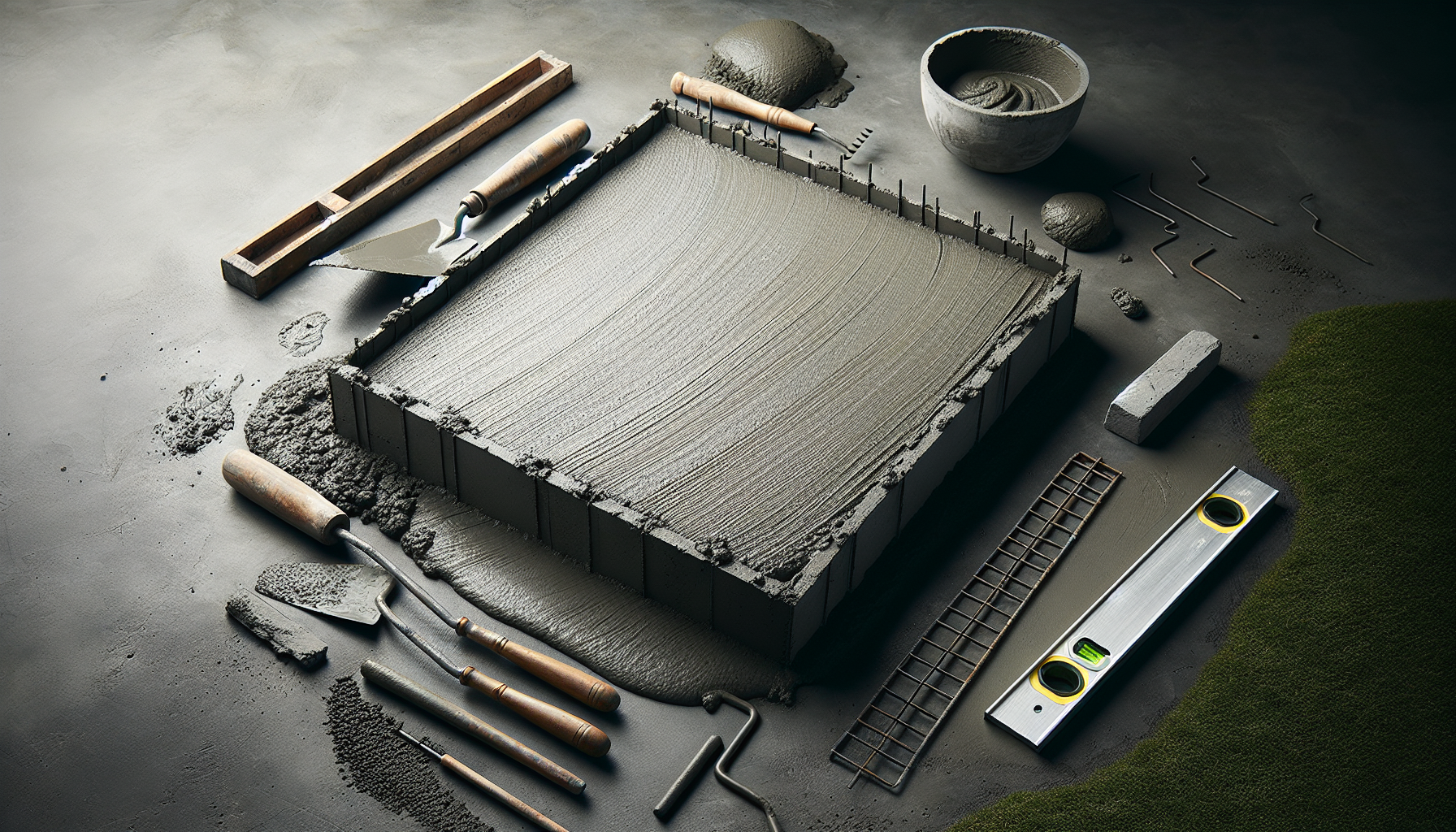
Have you ever wondered what it takes to create a solid and durable concrete slab for your hardscaping project? The process may seem straightforward, but a successful pour involves various steps and considerations. This guide will help you understand everything you need to know about concrete slab pouring, so you can achieve great results for your hardscaping needs.

Understanding Concrete Slabs
Concrete slabs are fundamental elements in hardscaping. They provide a stable surface for patios, driveways, walkways, and foundations for structures like sheds and outdoor living spaces. When properly poured and cured, concrete slabs can last for decades with minimal maintenance.
Why Use Concrete for Slabs?
Concrete is a popular choice due to its strength, durability, and versatility. It can withstand varying weather conditions and heavy loads, making it ideal for outdoor applications. Its ability to be molded into different shapes and finishes also allows for creative design options.
Preparing for the Pour
Preparation is key to ensuring a successful concrete slab pour. By paying attention to the details during this phase, you set the stage for a strong foundation.
Choosing the Right Location
Select a spot that is flat and well-drained. If the area tends to hold water, consider adding a drainage solution. A good location minimizes the risk of pooling water, which can weaken the concrete over time.
Gathering Materials and Tools
The right materials and tools are essential for a successful pour. Here’s a list to help you get started:
| Material/Tool | Purpose |
|---|---|
| Concrete mix | Main ingredient for the slab |
| Water | Required for mixing with concrete |
| Reinforcement bars | Adds strength to the concrete slab |
| Gravel or crushed stone | Provides a stable base |
| Vapor barrier | Prevents moisture from rising |
| Form boards | Contains the concrete mix during curing |
| Level | Ensures a flat surface |
| Trowel | For finishing the surface |
Creating the Form
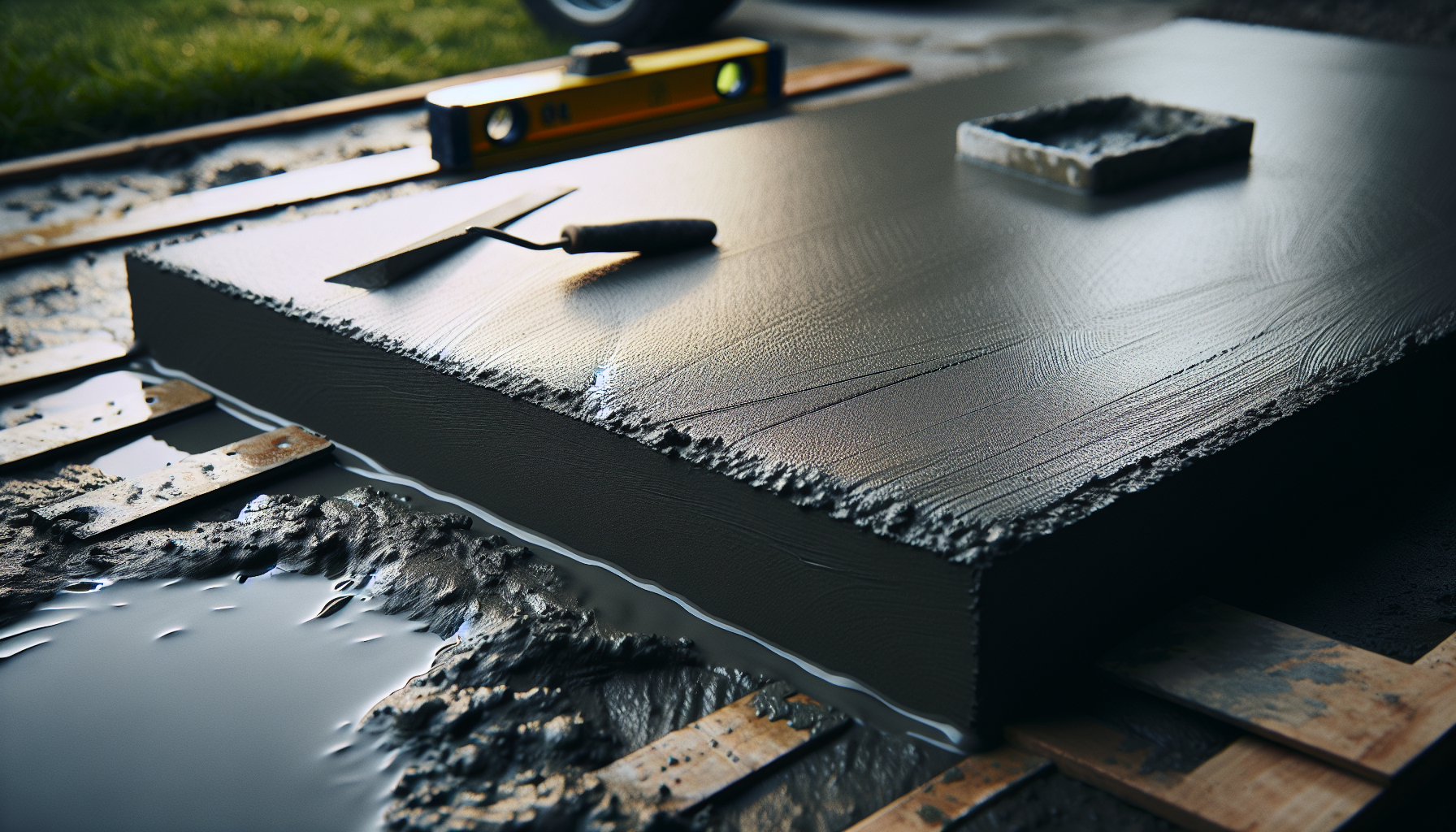
Forms are temporary structures that hold the concrete in place while it sets. Use wooden or metal boards to create a frame. Make sure the form is level and securely anchored to prevent it from shifting during the pour.
Mixing the Concrete
Getting the right mix is vital for the integrity of your slab. There are different types of concrete available, so choose one that fits your project’s needs.
Proportions Matter
A standard mix consists of cement, sand, gravel, and water. The general guideline is:
- 1 part cement
- 2 parts sand
- 3 parts gravel
- Enough water to achieve a workable consistency
Mix the dry ingredients first, then slowly add water. Aim for a thick, but pourable consistency.
Ready-Mix Concrete
If mixing your own concrete seems daunting, consider using ready-mix concrete. This option is convenient and ensures you get the correct proportions. Plus, it often comes with added features like increased durability or quick-setting formulas.
Pouring the Concrete
Once your preparations are complete, it’s time to pour the concrete. This part of the process requires care and attention to detail to ensure the best results.
Pouring Techniques
Pour the concrete into your prepared form starting from one corner and working your way across. Avoid dumping large amounts of concrete haphazardly, as this can cause air pockets and uneven surfaces.
Using a Screed
A screed is a tool used to level the surface of the concrete. You can make a screed from a straight board or a metal bar. Move the screed back and forth across the top of the form to eliminate high spots and fill in low areas.
Finishing the Surface
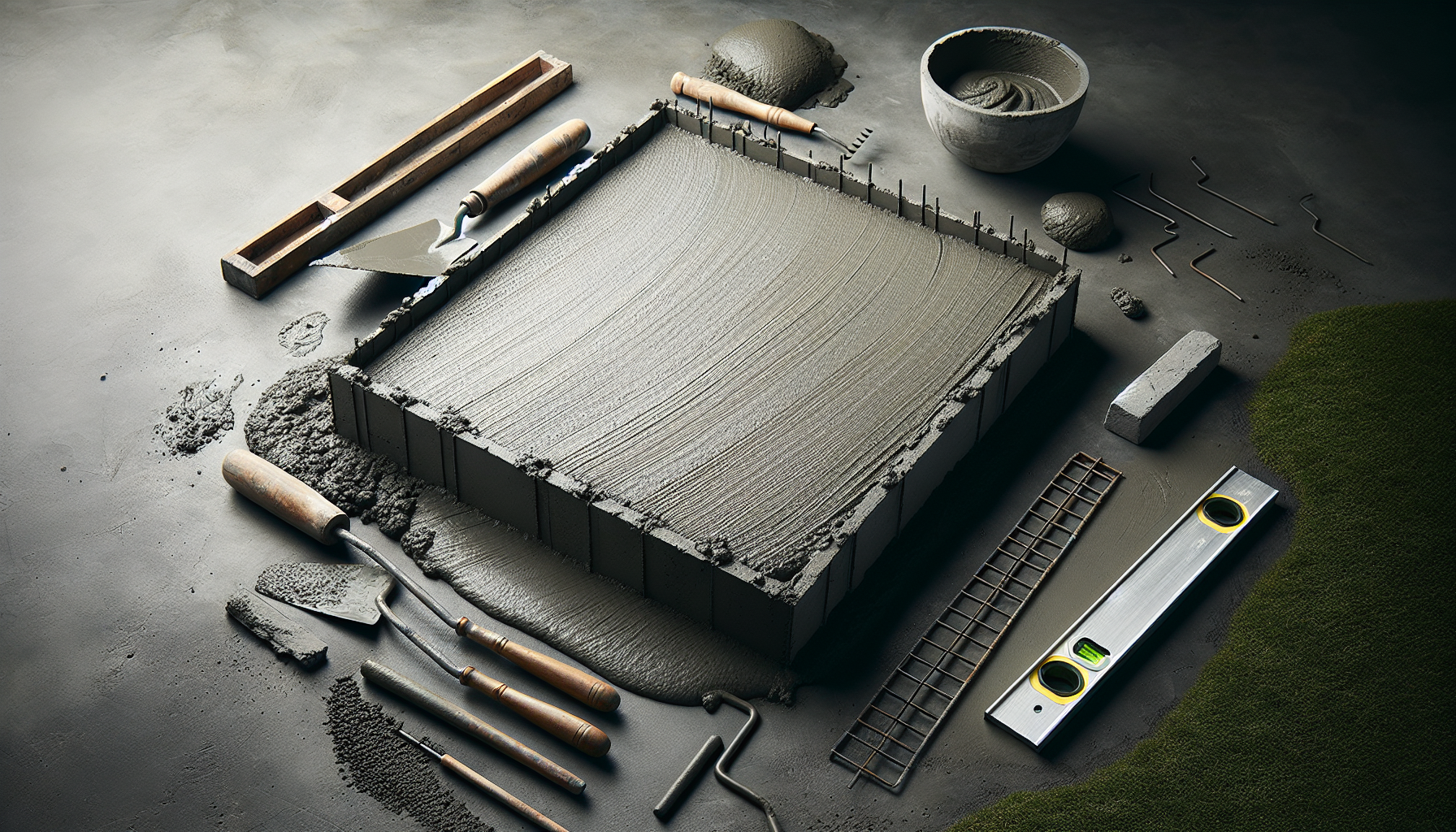
The surface finish of your concrete slab is crucial for both aesthetics and durability.
Troweling
After screeding, use a trowel to smooth the concrete surface. This step can be done in several passes. Initially, it may feel rough. As the concrete begins to set, keep troweling until the surface is smooth and even.
Adding Texture
If you want a textured finish, consider using a broom or other tools to create patterns in the wet concrete. Textured surfaces offer better traction, making them safer for walking or driving.
Curing the Concrete
Curing is a critical step that enhances the strength and durability of your concrete slab.
Why Cure?
Curing allows the concrete to dry and harden correctly. It prevents cracks and other issues that can arise from rapid drying, which can weaken the slab.
Curing Methods
You have several options for curing concrete:
- Water Curing: Keep the slab moist by regularly spraying it with water.
- Covering with Plastic: Place plastic sheeting over the slab to trap moisture.
- Using Curing Compound: Apply a curing compound that retains moisture.
Duration
Typically, concrete should cure for at least 7 days. If possible, longer curing times yield better results.
Common Mistakes to Avoid
Avoiding common pitfalls will help ensure a successful concrete slab pour. Here are some mistakes to watch for:
- Skipping Preparation: Proper site preparation is half the battle. Take the time to level, compact, and plan before pouring.
- Mixing Errors: Follow the correct proportions for your concrete mix. Too much water can weaken the slab.
- Rushing the Process: Give the concrete enough time to set and cure. Patience pays off with a longer-lasting slab.
Benefits of Hiring Professionals
While you can certainly undertake a concrete slab project yourself, consider the benefits of hiring professionals like Xclusive Home Services.
Expertise and Experience
Professional concrete pourers have the training and experience necessary for high-quality work. They understand the nuances of mixing, pouring, and curing, which can be crucial for success.
Time-Saving
Hiring pros saves you time. You can focus on other aspects of your hardscaping project while they handle the heavy lifting and technical details.
Quality Assurance
Professionals often guarantee their work. If issues arise, they can address them quickly and correctly, giving you peace of mind.
Why Choose Xclusive Home Services?
For all your hardscaping needs, Xclusive Home Services is your go-to choice. With a location in Scottsdale, AZ, we serve the local community with dedication and expertise.
Our Commitment to Quality
Founded in 2025, Xclusive Home Services strives to offer exceptional hardscaping solutions that stand the test of time. Our skilled team works with you to bring your vision to life with high-quality materials and craftsmanship.
Get in Touch
If you’re ready to make your hardscaping dreams a reality, contact us:
- Address: 14505 N. Hayden Rd., Ste. 101, Scottsdale, AZ 85260
- Phone: (602) 341-5545
- Email: management@xclusivehomeservicesco.com
Let us help you with your concrete slab pouring and all your hardscaping needs. Your satisfaction is our priority, and we look forward to working with you.
Conclusion
Concrete slab pouring is a rewarding project that lays the foundation for your hardscaping design. By following this guide, you can make informed decisions and avoid common pitfalls. Whether you choose to DIY or bring in a professional, understanding the process will help you achieve lasting results. Don’t hesitate to reach out to Xclusive Home Services for expert help to ensure your project goes smoothly.