

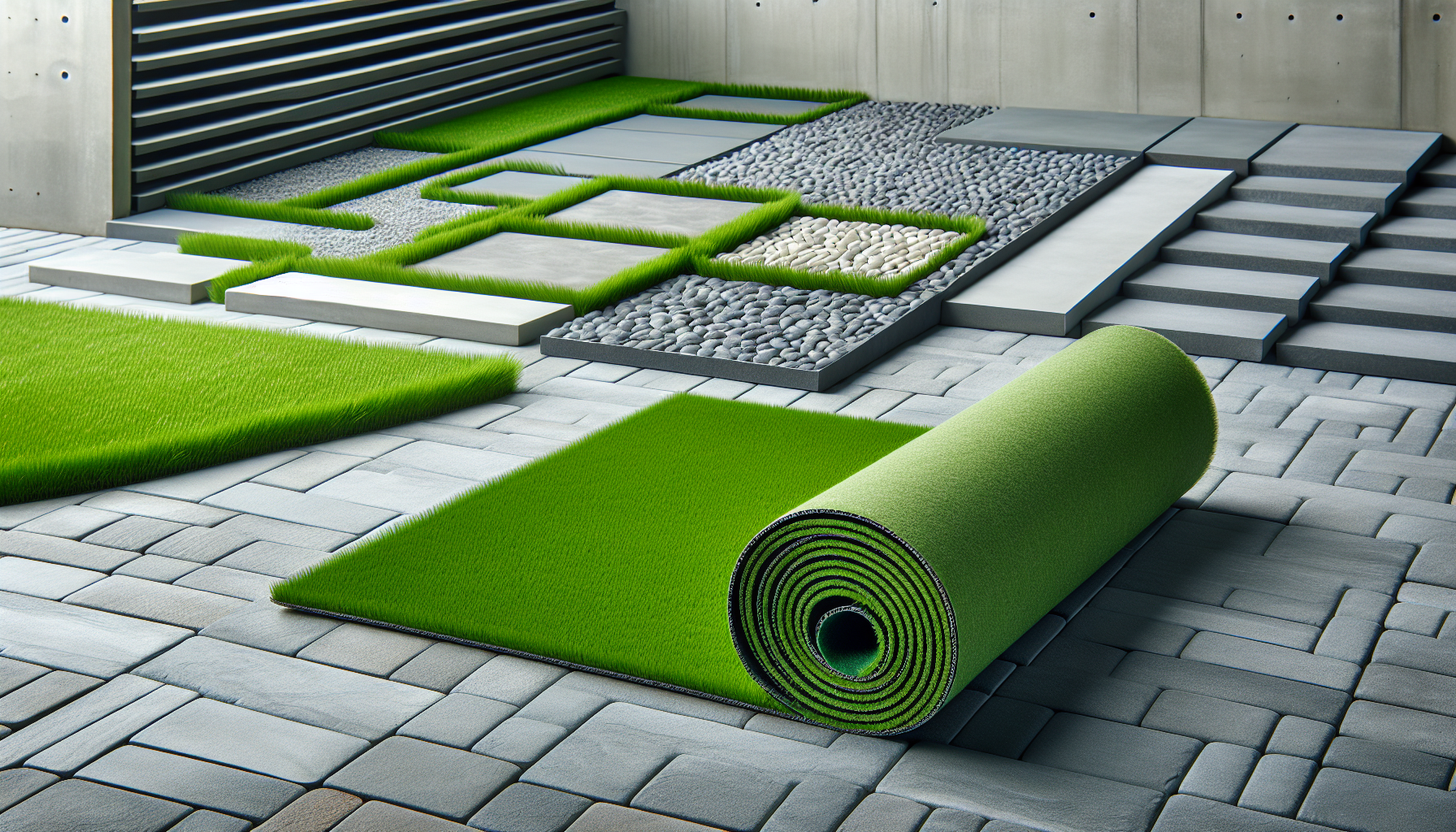
What do you envision when you think about enhancing your outdoor space? If lush, green areas but no hassle of maintenance come to mind, you’re likely considering artificial grass. Using it in hardscaping can add beauty while reducing the upkeep required for natural grass. In this article, you will learn essential tips for successfully installing artificial grass in hardscaping projects.

Understanding Artificial Grass
Artificial grass is a synthetic alternative to natural grass created from materials like polyethylene, polypropylene, or nylon. It replicates the appearance of real grass, but it requires little maintenance and stays green all year round. This makes it an appealing option for both residential and commercial spaces.
Benefits of Artificial Grass
Choosing artificial grass comes with several advantages:
- Low Maintenance: Say goodbye to mowing, watering, and weeding.
- Durability: It stands up to weather conditions, foot traffic, and heavy use.
- Allergen-Free: Great for those sensitive to pollen and other allergens from natural grass.
Understanding its benefits can help you decide if it’s the right choice for your hardscaping project.
Planning Your Installation
Before starting any installation, planning is essential. It allows you to visualize the final look and determine the necessary materials.
Assessing Your Space
Start by examining the area where you want to install the artificial grass. Consider these factors:
- Existing Hardscaping: Decks, patios, and walkways can all impact the installation.
- Usage: Think about how you will use the area. Is it for entertaining, children’s play, or simply relaxation?
- Sunlight Exposure: Some areas may get more sun than others, which affects the grass’s appearance.
Budgeting for Your Project
Creating a budget ensures you stay within your financial limits while achieving your goals. Factor in:
- Material Costs: This includes the grass itself and any underlayment or infill materials.
- Labor Costs: Will you hire professionals or tackle the installation yourself?
- Maintenance Materials: Although maintenance is minimal, some maintenance items may still be necessary.
By setting up a clear budget, you’ll make informed decisions throughout the process.
Selecting the Right Grass
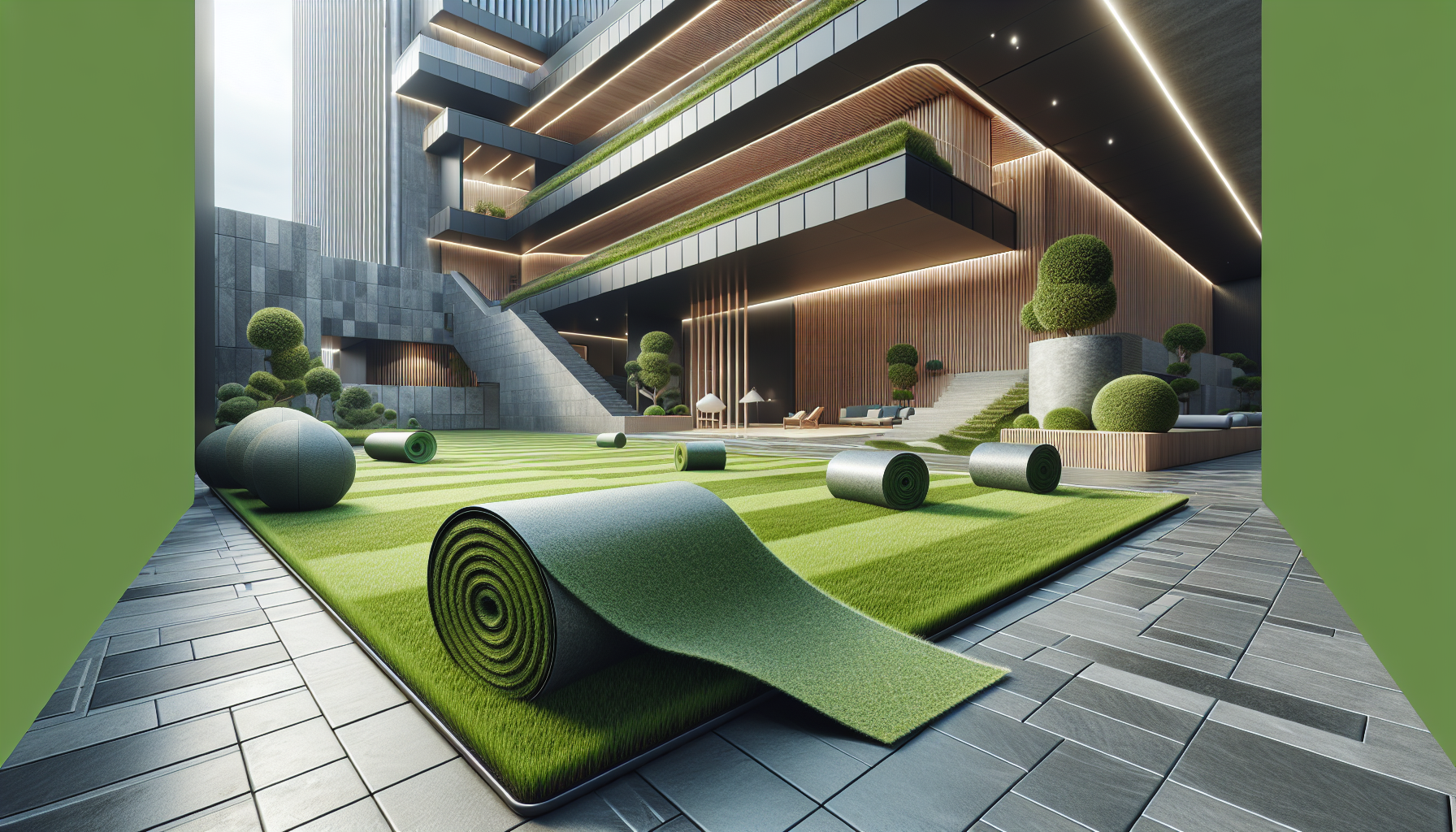
Choosing the right type of artificial grass is crucial. You should consider your specific needs, including the desired look and level of foot traffic.
Types of Artificial Grass
Artificial grass comes in various types catering to different uses:
| Type | Ideal Use | Characteristics |
|---|---|---|
| Residential Turf | Lawns and play areas | Soft, realistic appearance, and durable |
| Sports Turf | Sports fields | Designed to handle heavy usage, often with added infill |
| Pet Turf | Areas for pets | Made with drainage and odor-resistant materials |
| Landscape Turf | Decorative areas | Mimics natural grass closely, often less durable |
Select the type that aligns with your preferences, usage, and budget.
Preparing the Area
Preparation is key to a successful installation. Taking the following steps will ensure that the ground is ready for artificial grass.
Clearing the Area
Remove any existing grass or debris from the area. Tools you might need include:
- Shovel: For digging up grass or sod.
- Rake: To level the ground.
- Trowel: Useful for smaller areas.
Leveling the Ground
Once cleared, level the ground to create a smooth surface. Fill in any holes or depressions with soil, ensuring a straight and flat area for the grass.
Adding a Base Layer
A solid base layer helps with drainage and keeps the grass looking good:
- Crusher Dust or Gravel: Use for a stable base. It should be spread about 2-3 inches thick.
- Compacting: Use a compactor to press this layer down firmly.
By preparing the area correctly, you’ll set the foundation for a successful installation.
Installing the Grass
Now that you’ve prepared the area, it’s time to lay down the artificial grass. This process can be straightforward if you follow these steps.
Measuring and Cutting the Grass
Before laying the grass, measure the area carefully. Use these guidelines:
- Measure Twice: Always double-check your measurements to avoid mistakes.
- Cutting the Grass: Use a utility knife and ensure you cut slightly larger to allow for adjustments.
Laying the Grass
Now you will place the grass over your prepared area. Follow these steps:
- Align the Grass: Lay the rolls in the same direction for a uniform look.
- Bend and Shape: Gently bend the grass around obstacles like curbs or rocks.
Securing the Grass
Once positioned, secure the grass using landscape staples or adhesive. Position them every few inches around the edges and in the center to prevent movement.
Adding Infill Material
Infill helps weigh down the grass and keeps the blades upright. Here’s how to add it effectively.
Choosing the Right Infill
Select an infill material based on your usage. Common options include:
- Silica Sand: Common and effective for basic use.
- Rubber Infill: Good for sports applications as it absorbs shock.
- Organic Options: Such as coconut fiber for environmentally conscious consumers.
Application
Evenly distribute the infill over the grass using a hand spreader.
- Fill Height: Ensure the grass blades stand up, but don’t overfill, as this can create a stiff look.
- Brushing: Use a stiff broom to help blend the infill with the grass.
Final Touches
After installation, a few final steps will help make your artificial grass area shine.
Trimming Edges
Use a utility knife to trim the edges of the grass to fit perfectly against hardscaping features. This keeps everything neat and tidy.
Watering the Grass
Give your new grass a light watering. This helps settle the infill material and reduces any dust from the grass surface.
Regular Checkups
Once installed, maintain the area as needed:
- Cleaning: Clear debris and leaves regularly. A leaf blower can make this quicker.
- Brushing: Occasionally brush the grass to keep it looking fresh and upright.
Troubleshooting Common Issues
Even with careful planning, you might encounter issues during or after installation. Here’s how to approach common problems.
Grass Lifting
If the grass begins to lift or buckle, check the securing methods. Ensure the landscape staples or adhesive are correctly placed and not coming loose.
Drainage Problems
If water pools on your grass, it indicates a drainage issue. Consider installing additional drainage solutions or adjusting the base layer’s slope.
Faded Color
Over time, certain factors can fade the grass color. To counter this, purchase UV-resistant grass and try to reduce direct sunlight exposure through landscaping or shade options.
Why Choose Professional Help
While DIY installation can save money, professional help can ensure quality results.
Why Xclusive Home Services?
If you prefer to take the stress out of your project, consider consulting Xclusive Home Services. Here’s why:
- Expertise: With experience in hardscaping, they know how to handle every aspect of installation.
- Quality Materials: They can source high-quality artificial grass tailored to your needs.
- Efficiency: Completing the project correctly and quickly allows you to enjoy your new space sooner.
For all your hardscaping needs, reach out to Xclusive Home Services:
Contact Information:
Xclusive Home Services
14505 N. Hayden Rd., Ste. 101
Scottsdale, AZ 85260
Phone: (602) 341-5545
Email: management@xclusivehomeservicesco.com
Final Thoughts
Installing artificial grass in hardscaping projects can transform your outdoor spaces. With the right preparation, materials, and techniques, you can achieve a beautiful and functional area that you and your family will enjoy for years.
Remember, whether you decide to tackle this project on your own or enlist the help of professionals, careful planning and execution will lead you to the desired results. Happy landscaping!