


Have you ever thought about how shrubs can enhance your hardscaping projects? Adding shrubs is a great way to bring life to your outdoor spaces. Whether you are a homeowner or a contractor, installing shrubs correctly can significantly improve the overall aesthetics of your landscape. Let’s look at expert tips for shrub installation in hardscaping projects.

Understanding the Role of Shrubs in Hardscaping
Shrubs serve various purposes in your landscape. They provide visual interest, act as natural barriers, and can even improve air quality. When included in hardscaping, they soften the edges of built structures, offering a balance between hard surfaces and living plants.
Benefits of Shrubs in Hardscaping
Incorporating shrubs in your landscape design offers several advantages. Here’s a closer look at these benefits:
| Benefit | Description |
|---|---|
| Aesthetic Appeal | Shrubs add color, texture, and shape to your outdoor spaces. |
| Privacy | Shrubs can act as natural screens, providing privacy. |
| Wildlife Habitat | They offer shelter and food for various species. |
| Erosion Control | Shrubs can help prevent soil erosion in certain areas. |
By understanding these benefits, you can better appreciate the value of including shrubs in your hardscaping projects.
Choosing the Right Shrubs
Selecting the right shrubs for your landscape is essential. Not all shrubs are created equal; they vary in size, shape, and adaptability to your climate and soil conditions. Here are some tips to help you choose.
Climate Considerations
Think about your local climate. Different shrubs thrive in different conditions. You should consider the temperature, humidity, and rainfall in your area before selecting shrubs.
Soil Type
Not all soils are suitable for all shrubs. Test your soil to understand its pH and nutrient levels. Consider plants that are well-suited to your soil type.
Size and Growth Habit
Consider how large your chosen shrubs will grow. Measure the space where you intend to plant them, and choose varieties that fit well. Think about their growth habit and whether they are upright, spreading, or rounded when fully grown.
Maintenance Needs
Different shrubs have different maintenance needs. Some may require frequent pruning, while others may be low-maintenance. Choose according to the level of care you are willing to provide.
Planning Your Shrub Installation
Before you start planting, take time to plan your installation. Planning is critical to ensure your shrubs integrate smoothly into your hardscaping design.
Site Assessment
Start by assessing the site. Observe sunlight patterns, wind exposure, and drainage issues. Understanding these factors helps you choose the best locations for your shrubs.
Designing the Layout
Sketch a simple design of where you plan to place your shrubs. Consider grouping them in odd numbers for a more natural look. Keep in mind the spacing guidelines to avoid overcrowding.
Selecting a Planting Method
Choose a planting method that suits your hardscaping installation. You can opt for planting directly in the ground or in designated planting beds within hardscaped areas.
Preparing for Installation
Once you have a solid design plan, it’s time to prepare for installation. Preparation will improve your shrubs’ chance of thriving.
Gathering Tools and Materials
Make sure you have all the necessary tools:
- Shovel: For digging holes for your shrubs.
- Trowel: Helpful for smaller tasks.
- Garden gloves: Protect your hands while working.
- Mulch: To retain soil moisture and suppress weeds.
Soil Preparation
Prepare the soil before planting. Consider using organic compost to enrich it with nutrients. Turn the soil to a depth of at least 12 inches for best results.
Installing Shrubs
With everything prepared, you can proceed with the installation. Following the proper steps will help ensure your shrubs settle well into their new environment.
Digging the Hole
Dig a hole that is twice as wide and slightly deeper than the root ball of your shrub. This size allows for root expansion and better drainage.
Positioning the Shrub
Place the shrub in the hole, ensuring the top of the root ball is level with the surrounding soil. Avoid burying the roots too deep, as this can hinder their growth.
Backfilling the Hole
Carefully backfill the hole with soil, tamping it down gently to remove air pockets. Water the shrub immediately after planting to help settle the soil.
Adding Mulch
Apply mulch around the base of the shrub, but keep it a few inches away from the stem. Mulch retains moisture and keeps weeds at bay.
Watering and Maintenance
Caring for your newly planted shrubs is essential for their ongoing health and growth. Here are some tips.
Initial Watering
Water your shrubs thoroughly after planting. The soil should be damp but not soggy. Check back frequently during the first few weeks to ensure they remain adequately watered.
Regular Maintenance Schedule
Create a maintenance schedule for ongoing care:
- Watering: Regularly check the moisture level, especially during dry spells.
- Pruning: Trim dead or damaged branches as needed.
- Fertilizing: Feed your shrubs with an appropriate fertilizer based on their requirements.
Pest and Disease Control
Keep an eye out for signs of pests and diseases. Early detection can save your shrubs from more extensive damage. Use eco-friendly solutions whenever possible to manage issues.
The Importance of Aesthetic Balance
Achieving aesthetic balance is essential in hardscaping design. You want your shrubs to complement the hard elements of your landscape, creating a visually appealing space.
Blending Hardscape and Softscape
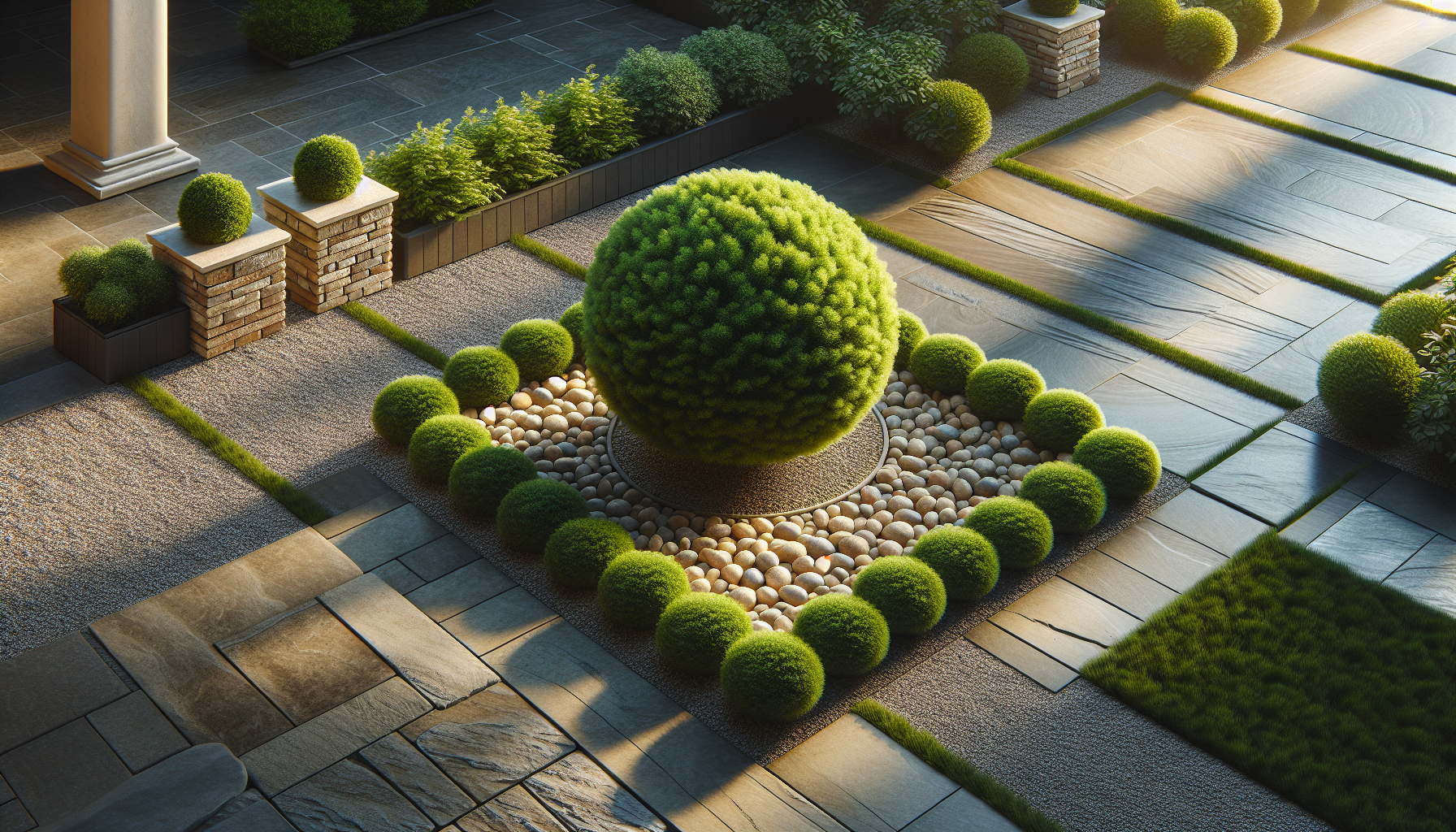
Consider how shrubs can enhance your hardscaping features. For example, you might place shrubs around patios or walkways to soften the hard edges.
Using Color and Texture
Select shrubs that provide varied colors and textures throughout the seasons. This diversity keeps your landscape interesting year-round.
Shrubs for Specific Hardscaping Styles
Different hardscaping styles benefit from specific types of shrubs. Understanding what will work best will further enhance your design.
Contemporary Styles
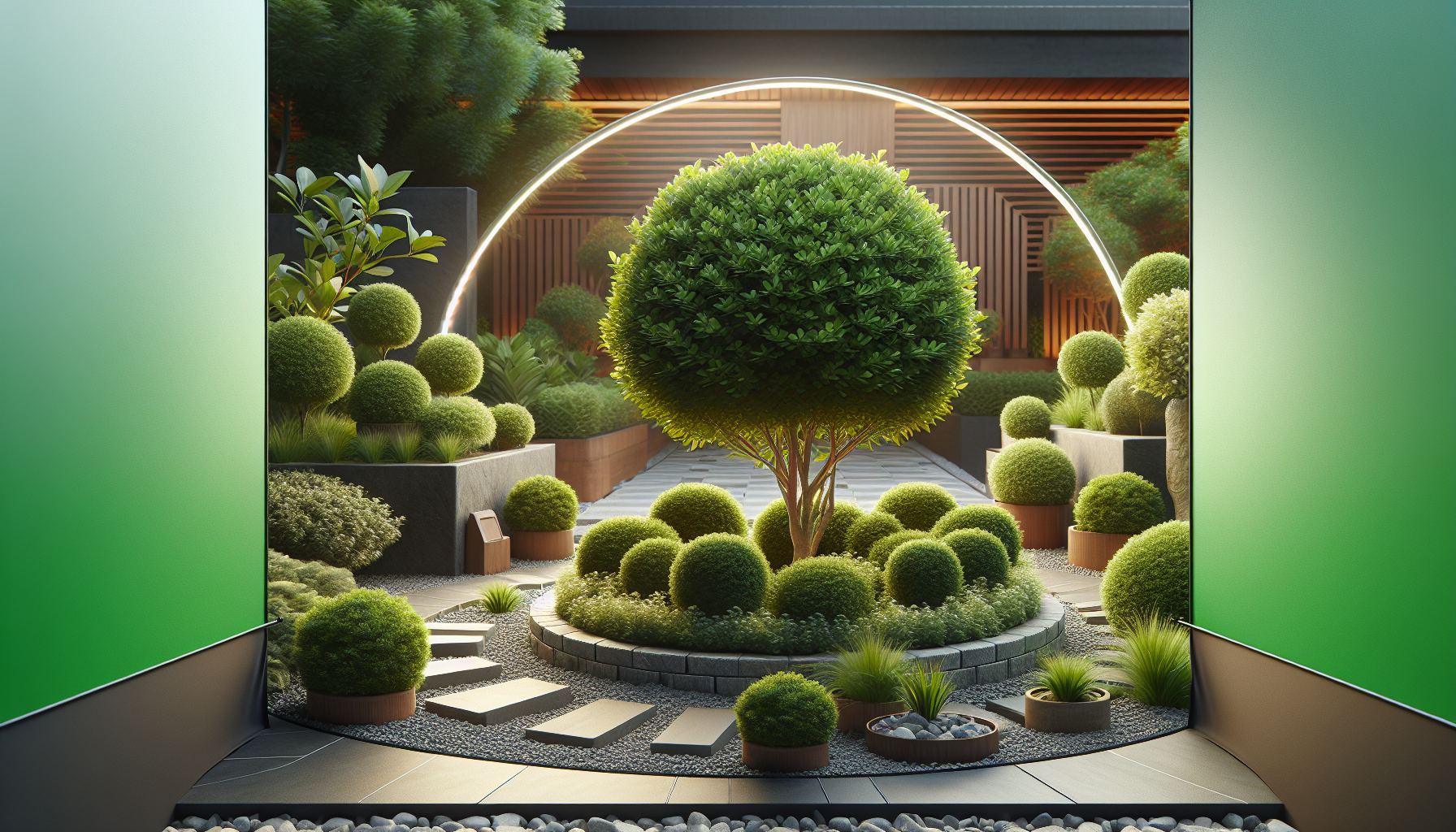
For contemporary hardscaping, consider using geometric shapes with shrubs like boxwoods. Their clean lines can match modern designs perfectly.
Traditional Gardens
In traditional gardens, opt for classic choices like hydrangeas or roses. These provide timeless beauty and often have a familiar charm.
Xeriscape Landscaping
If you’re considering xeriscape landscaping, succulents and drought-resistant shrubs are ideal. They thrive in arid conditions and require less water.
Rustic and Natural Styles
For a rustic look, choose native shrubs that blend seamlessly with natural elements. They tend to require less upkeep and attract local wildlife.
Troubleshooting Common Issues
Not every shrub installation goes perfectly. It’s important to know how to address common problems.
Poor Growth
If your shrub appears to be growing poorly, check for the following:
- Does it have enough sunlight?
- Is the soil quality adequate?
- Are you over or under-watering?
Pest Problems
If you notice pests, identify them quickly. Use appropriate natural remedies or consult a gardening expert for advice.
Disease Management
Keep an eye out for signs of disease, such as wilting leaves or discoloration. Treat affected shrubs immediately to avoid spreading.
Future-Proofing Your Landscape
Think long-term when it comes to your landscape. Choose shrubs that won’t outgrow their space too quickly or require extensive maintenance as they mature.
Selecting Varieties with Longevity
Investigate shrubs known for their durability and longevity. Selecting the right varieties will help your landscape remain beautiful for years to come.
Seasonal Changes
Consider how your shrubs will look in different seasons. Choose varieties that provide interest year-round, whether with blooms, foliage, or structure.
Partnering with Professionals
If you feel unsure about your ability to handle shrub installation or have a large project, consulting with professionals can provide peace of mind.
Benefits of Professional Help
Professionals bring expertise in design, plant selection, and installation. They can help ensure your project looks and functions well.
Xclusive Home Services
For all your hardscaping needs, consider reaching out to Xclusive Home Services. Their team is skilled in shrub installation and can assist with other landscaping elements.
Xclusive Home Services
14505 N. Hayden Rd., Ste. 101
Scottsdale, AZ 85260
Phone: (602) 341-5545
Email: management@xclusivehomeservicesco.com
Founded in 2025, Xclusive Home Services is your one-stop solution for home services, including hardscaping. Take advantage of their expertise to get your project done right.
Final Thoughts
Incorporating shrubs into your hardscaping projects can greatly enhance their visual appeal and functionality. Remember to choose the right varieties, plan your installation carefully, and maintain them for lasting beauty. With these expert tips, you can create a thriving landscape that adds value and enjoyment to your outdoor space. If you’re unsure or need assistance, don’t hesitate to contact professionals like Xclusive Home Services for guidance.
Your landscape deserves the best, and with the right shrubs, you’ll create a welcoming and beautiful outdoor retreat.