


Have you ever wondered how much weight your patio or driveway can support? Pavers are not just decorative elements in your outdoor space; they also provide a sturdy surface for various activities. Understanding their weight capacity can help you make informed decisions about what to place on them.

Understanding Pavers
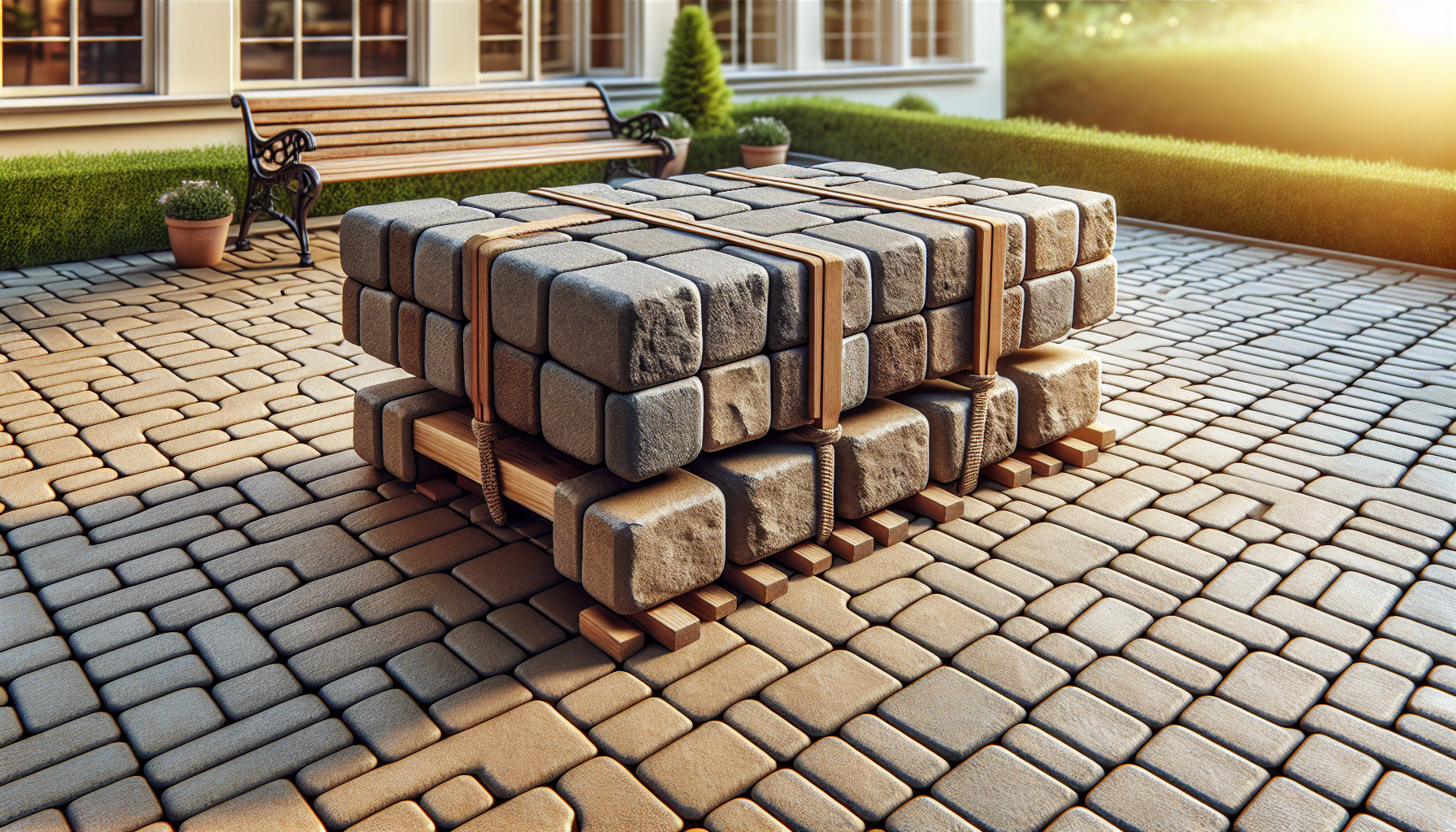
Pavers are often chosen for their aesthetic appeal and versatility. You might see them in residential driveways, walkways, and patios. These interlocking stones come in various materials, including concrete, brick, and natural stone. The specific material and installation method significantly influence their durability and load-bearing capabilities.
The Importance of Proper Installation
When it comes to pavers, proper installation is key. If they are not installed correctly, even the best materials can fail under pressure. This means taking time with the base preparation, ensuring proper drainage, and using quality materials. Think of it like building a house; a strong foundation is essential.
The base material often includes crushed gravel or sand, which helps distribute weight evenly. If your pavers sit on a solid base, they will endure much more weight without cracking or shifting.
Types of Pavers and Their Weight Capacities
It’s important to note that not all pavers are created equal. Different materials and designs have distinct weight limits. Here’s a quick overview of common types of pavers and their estimated weight capacities:
| Type of Paver | Average Weight Capacity |
|---|---|
| Concrete Pavers | 8,000-12,000 lbs |
| Brick Pavers | 5,000-10,000 lbs |
| Natural Stone Pavers | 7,000-15,000 lbs |
As you consider these figures, remember that other factors, such as the installation technique and environmental conditions, might affect the overall capacity.
Factors Affecting Paver Weight Capacity
When thinking about how much weight your pavers can hold, several factors come into play.
Material Quality
The quality of the material used for your pavers has a direct impact on their strength and durability. Higher-quality materials will typically have a higher compressive strength, making them more capable of supporting heavy loads.
Paver Thickness
Thicker pavers generally offer greater weight-bearing capacity. Most pavers are available in various thicknesses, often ranging from 2 to 4 inches. The choice of thickness should depend on where you’re placing the pavers and the weight they’ll need to support.
Installation Method
How your pavers are installed can also heavily influence their weight limit. A proper installation method includes the use of appropriate base materials and compaction techniques to lock the pavers in place. This prevents shifting or cracking over time.
Load Distribution
The way weight is distributed across the pavers matters too. Concentrated weight, such as that from a heavy vehicle, can lead to cracking if the pavers are not designed for that kind of stress. Flat and even distribution will generally allow for greater weight capacity.


Common Uses for Pavers and Their Weight Considerations
Understanding the weight capacity of pavers can guide you in making sensible choices about how to use these surfaces.
Patios and Walkways
If you’re using pavers in a patio or walkway setting, they will typically handle foot traffic quite well. Standard residential patios made from concrete or brick pavers can generally support furniture and foot traffic without issue.
Driveways
Driveways see heavier vehicles regularly. If you plan to park cars, trucks, or any other heavy machinery on your pavers, opt for thicker, high-quality materials. Concrete pavers are often the preferred choice for this kind of application due to their impressive weight capacity.
Pool Decks
When using pavers around pools, it’s essential to consider not just the weight capacity, but also the safety factor. Pool decks should have a non-slip surface, which many pavers provide. Ensure that the materials and installation can handle the weights of people, furniture, and water features.
Testing Your Paver’s Capacity
If you are concerned about whether your pavers can handle a specific weight, you’ll want to do some testing.
Visual Inspection
Start with a visual inspection. Look for any cracks, chips, or unevenness in the surface. These can indicate potential issues with weight capacity.
Load Testing
For a more accurate assessment, you can conduct a load test by gradually adding weight to a specific area and observing how the pavers react. This exercise can give you a clear idea of what your surface can handle.
Consulting Professionals
When in doubt, consulting an expert can save you time and trouble. An experienced contractor can provide insights tailored to your situation.
Maintenance Tips for Pavers
Regular maintenance helps extend the life of your pavers and ensure they maintain their weight-bearing capabilities.
Cleaning
Keeping your pavers clean helps prevent deterioration. Regular sweeping and occasional washing will keep them looking good and performing well.
Sealants
Applying a sealant can provide additional protection against stains and wear. This is especially important in areas subject to water exposure, like pool decks.
Repairing Damages
Address any cracks or damage as soon as you notice them. Small issues can become larger problems over time, particularly when weight is applied to already compromised surfaces.
Conclusion
Understanding how much weight pavers can hold is essential for maintaining your outdoor spaces. With the right materials, installation, and maintenance, your pavers can last for many years while supporting all your activities.
If you’re considering upgrading your outdoor spaces or need help with roofing, Xclusive Home Services is an excellent resource. Based at 14505 N. Hayden Rd., Ste. 101, Scottsdale, AZ 85260, they are ready to tackle all your home service needs, including hardscaping and roofing.
Contact them at (602) 341-5545 or via email at management@xclusivehomeservicesco.com to see how they can assist you.
Remember, taking the time to understand your pavers and their capabilities will benefit you in the long run. So go ahead and make your outdoor areas functional and beautiful!