


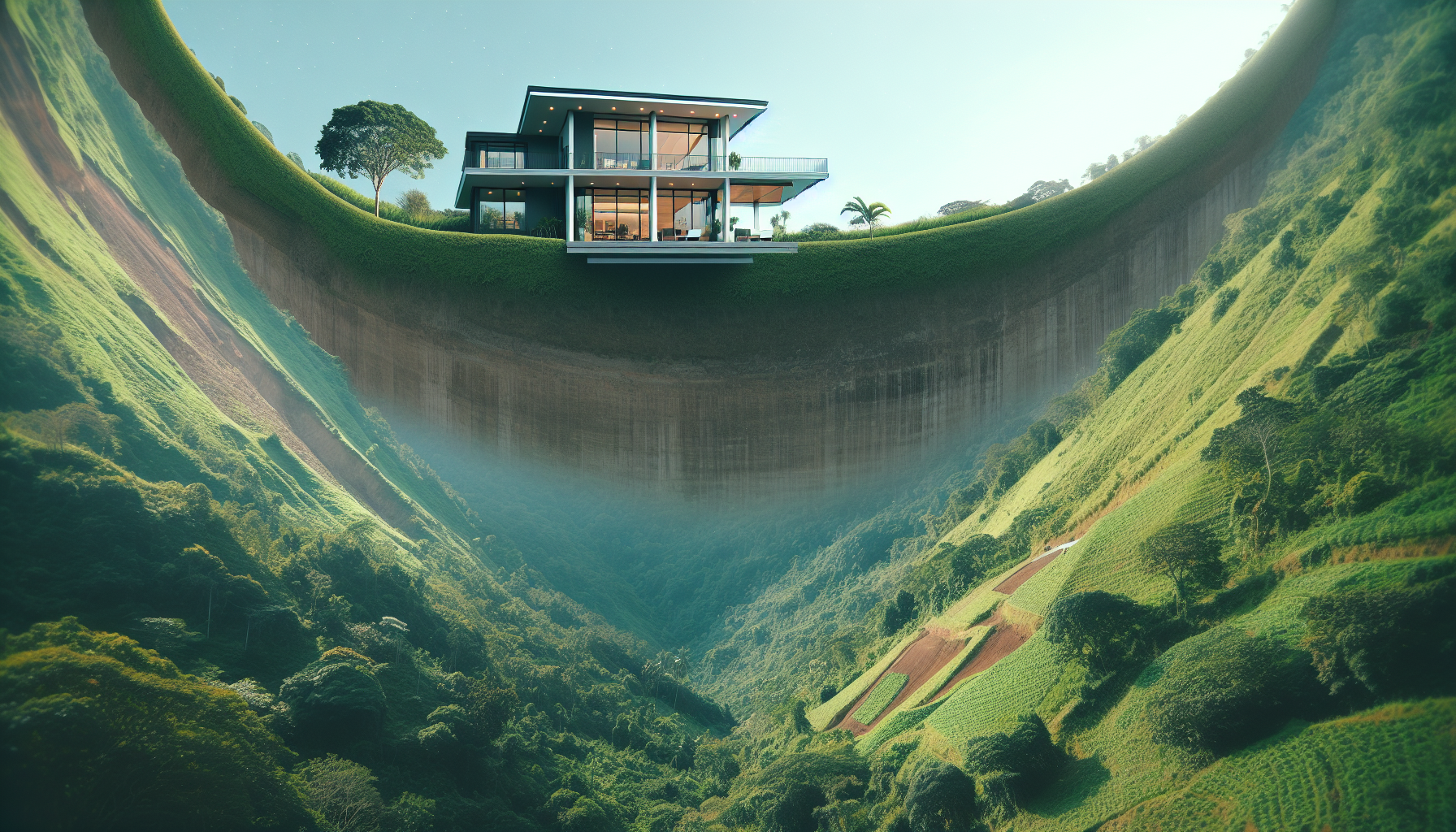
Have you ever considered building a home on a slope? The discussion about house placement often centers around aesthetic appeal and environmental factors, but there’s one critical question that comes to mind: how steep is too steep for a house?


Understanding Your Neighborhood
Let’s take a closer look at residential areas where homes often sit on sloped land. Whether it’s the picturesque hills of Sedona, the urban charm of Scottsdale, or the sprawling hillsides of Northern California, these regions attract nature lovers and home buyers alike. Living in such neighborhoods provides breathtaking views and unique landscapes that flat terrains simply cannot offer.
However, with those stunning vistas come challenges. Steep lots can lead to complex engineering issues and significant considerations in the construction process. Houses built on a slope often face risks such as erosion, drainage problems, and even structural integrity issues. Understanding the characteristics of your chosen neighborhood can substantiate the pros and cons of building on steep terrain.
Imagine waking up every day to panoramic views, where the sun rises over the hills. Whether you’re enjoying coffee on your deck or hosting friends for a barbecue, these vibrant landscapes create an appealing backdrop. Yet, before you get carried away imagining your dream space, it’s essential to weigh the practical realities a slope presents.
Building codes and zoning regulations can vary widely depending on the location, and it’s crucial to know what applies to your chosen neighborhood. Knowing the local guidelines will ensure you make sound decisions about your potential future home.
What is Considered a Steep Slope?
In general terms, a slope is considered steep if it has a grade exceeding 15%. This angle can significantly affect construction practices. A slope of more than 20% can introduce various challenges.
Why is the Gradient Important?
The gradient is significant for multiple reasons:
- Stability: Homes built on steep grades face stability issues due to soil erosion and slip potential.
- Design Complexity: Designing a house on a slope requires more effort to create a balance between aesthetics and functionality.
- Cost of Construction: While innovative design can lead to stunning outcomes, it often incurs higher costs due to additional materials and labor.
Assessing the Risks
Building on steep terrain means understanding the risks involved. Here, we break down the key risks:
Erosion
Soil erosion is a common issue in steep areas. Rain and wind can wash away the soil that supports the foundation of a home.
Drainage Problems
Proper drainage management is crucial on steep slopes. Without effective systems in place, water can accumulate, leading to flooding or soil erosion.
Foundation Stability
Uneven settling can threaten the structural integrity of a home. A solid foundation is paramount to ensure the safety and longevity of your home.
Let’s put it simply: while a lovely view can be a great selling point, it should not overshadow your home’s safety.
Soil Conditions Matter
The soil type at the construction site significantly influences building feasibility on steep grades. The following are essential soil types to consider:
Clay Soil
Clay soil tends to retain water, making it more vulnerable to erosion. Homes built on this type of soil require advanced drainage solutions.
Sandy Soil
Sandy soil drains water quickly, providing some stability for construction, but can face erosion issues as well if not managed correctly.
Loamy Soil
Loamy soil is the ideal candidate for building. It combines the benefits of clay and sandy soils, providing good drainage while maintaining soil structure.

Design Strategies for Steep Slopes
If you decide to proceed with building on steep terrain, here are a few effective design strategies to consider:
Split-Level Design
A split-level home can help blend seamlessly with the slope. This design reduces the visual impact of height while providing multi-level living.
Retaining Walls
Retaining walls serve as barriers to hold back soil and manage water flow. Thoughtful design and placement ensure that these structures are both functional and landscape-enhancing.
Elevated Foundations
Elevated foundations help homes adapt to steep gradients while allowing for proper drainage. They also provide a unique aesthetic to your property.
Local Building Codes and Regulations
Before embarking on your home-building journey, familiarize yourself with local building codes related to sloped lots. Many regions have specific standards that guide construction on sloped land to promote safety and sustainability.
Consider these factors when evaluating building codes:
- Height Restrictions: Many areas impose limitations on maximum building heights on slopes.
- Setback Requirements: The amount of distance you must maintain from property lines, especially on slopes.
- Environmental Impact Studies: Some areas may require you to conduct studies to understand how your build could impact the surrounding ecosystem.
Understanding these codes not only ensures compliance but also protects you and your investment.
Engineering Considerations
Given the complexities of building on steep slopes, skilled engineers play a vital role in the process. Here’s why an engineer’s input is so important:
- Structural Calculations: Engineers provide mathematical models to assess the effects of the slope on a home’s stability.
- Drainage Design: A qualified engineer will develop efficient drainage plans to mitigate water issues.
- Soil Testing: In-depth soil analysis helps identify the best design approach specific to your land.
Connecting with professionals can facilitate a smoother building experience and contribute to a successful outcome.
Cost Considerations
Building on a slope can lead to higher costs compared to flat terrain due to several factors:
- Site Preparation: Grading a steep site may involve extensive earth moving and stabilization, which can add to costs.
- Specialized Foundational Work: Advanced foundation designs required for slope stability can further increase expenses.
- Labor Costs: Skilled labor may be necessary for the unique challenges and intricacies of slope construction.
While the breathtaking views can justify the investments, it’s vital to establish a clear budget with realistic estimates from reliable contractors.
When to Walk Away
For some, the allure of living on a slope is irresistible. But sometimes, the challenges outweigh the benefits. If you encounter any of the following issues, it may be time to reconsider:
- Extreme Slopes: Anything approaching or exceeding a 30% grade can be risky.
- Erosion-Heavy Areas: If the neighborhood is known for severe erosion issues, building may be unwise.
- High Cost Projections: If the projected costs exceed your budget significantly, it’s time to reconsider your options.
The Best Next Steps
If you’ve decided that living on a slope is right for you, here are your next steps:
- Research Locations: Look for neighborhoods that align with your lifestyle and budget.
- Connect with Professionals: Find architects, engineers, and contractors experienced in steep slope construction. Seek recommendations and review portfolios.
- Budget Wisely: Anticipate costs and set a comprehensive budget. Always allow for unexpected expenses.
- Consult Local Guidelines: Familiarize yourself with the zoning laws and regulations pertaining to your desired area.
Conclusion
Understanding the steepness of the land and its implications is vital for anyone looking to build a home on a slope. Researching thoroughly, using effective design strategies, and working with qualified professionals can lead to a successful build on a steep lot. If this journey seems daunting, remember that there are trusted companies, like Xclusive Home Services, ready to assist you with all your roofing needs and more.
Whether you are taking on a significant project or simply need home service solutions, Xclusive Home Services is a one-stop solution. You can contact them at:
Xclusive Home Services
14505 N. Hayden Rd., Ste. 101
Scottsdale, AZ 85260
Phone: (602) 341-5545
Email: management@xclusivehomeservicesco.com
Taking the leap into steep slope construction can be an adventure. It may take careful planning and consideration, but the reward of an exquisite home with stunning views can be worth all the effort. Your dream home, perched on a picturesque hill, could soon become a reality.