


What if there was a way to enhance your outdoor space while effectively managing water drainage? Hardscaping can be the answer you’re looking for, especially when it comes to installing downspouts in and around Tempe, Arizona. This vibrant city embraces a blend of desert landscapes and modern living, and incorporating hardscaping into your property allows you to solve practical problems while also enjoying the aesthetics of your surroundings.

Understanding Tempe’s Landscape and Climate
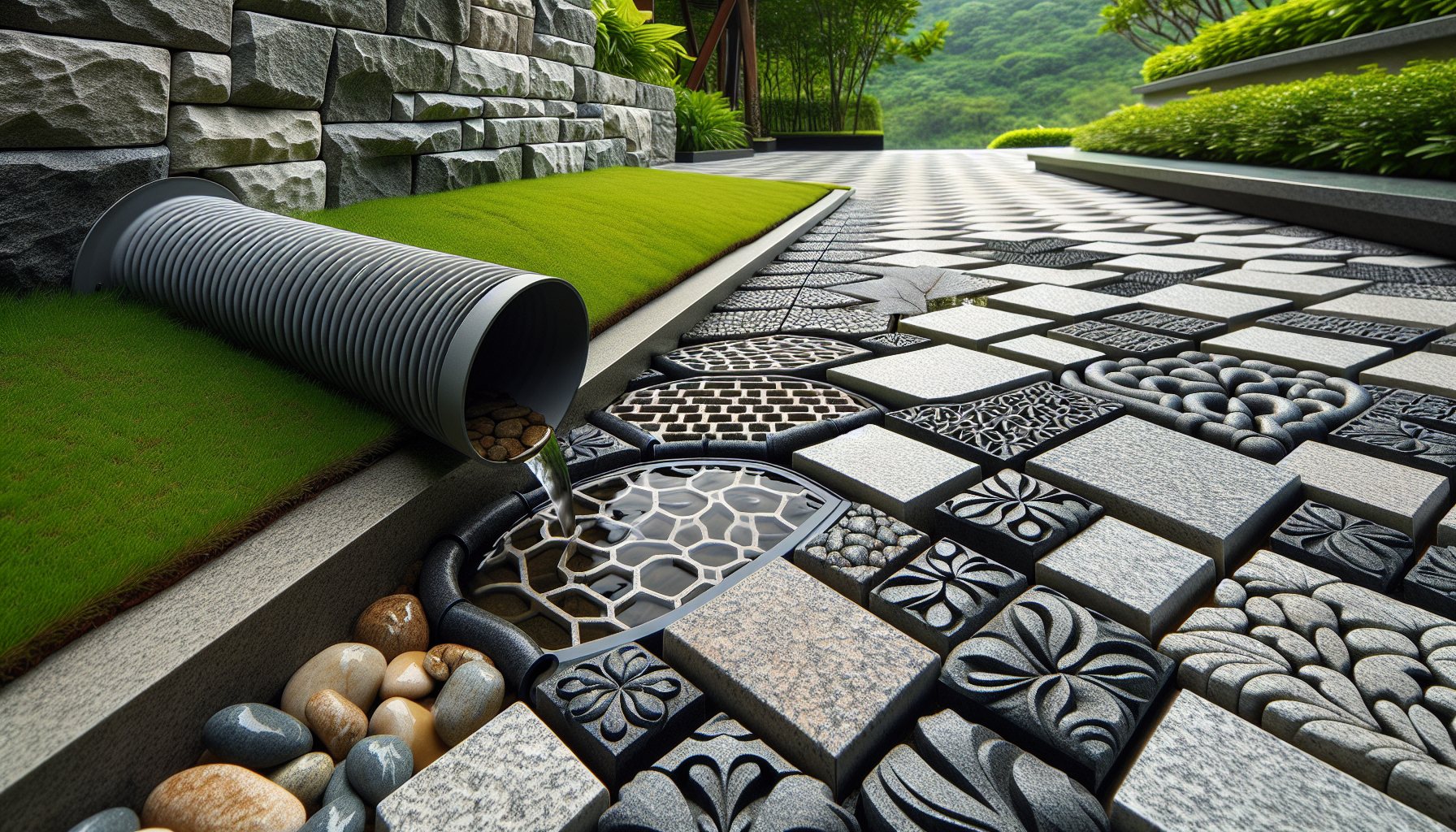
Tempe is a dynamic city situated just east of Phoenix, known for its sunny weather, active lifestyle, and strong community spirit. With a hot desert climate, summers can be especially dry, while monsoon season brings sudden and heavy rainfalls. This unique weather pattern can lead to drainage challenges, especially if your property isn’t equipped to handle rapid water flow. If you want to maintain your landscape and protect your foundation, integrating hardscaping solutions for downspouts could be the key.
The city features a mix of residential homes, parks, and commercial areas. The integration of hardscaping not only complements the natural environment but also serves practical purposes. For instance, sidewalks, patios, and retaining walls can help redirect water more efficiently, minimizing runoff and erosion. Understanding Tempe’s landscape helps you plan for strategic water management through hardscaping.
The Importance of Downspouts
Downspouts are essential components of a gutter system. They guide rainwater away from your roof and direct it to a designated area on your property. However, poorly placed downspouts can cause more harm than good. Without proper hardscaping, water can pool near your foundation, seep into your basement, or contribute to erosion in your garden.
When planning downspout installation, it’s crucial to choose the right hardscaping elements to ensure efficient drainage. This not only protects your home but also enhances the overall look of your property.
Basic Components of Hardscaping
Before you start planning, let’s define some essential hardscaping elements you might consider for your downspout installation:
-
Pavers: These are versatile stones or bricks used for pathways, driveways, and patios. When placed correctly, they can help manage water flow effectively.
-
Retaining Walls: These can be used to hold back soil, creating a level surface. They can also redirect water away from your foundation.
-
Gravel or Rock Beds: Placing gravel or rock near the downspout can help absorb water and reduce mud and pooling.
-
Drainage Channels: These are specially designed to guide water runoff away from your home and landscape.
Planning Your Hardscaping for Downspout Installation
When you’re ready to plan your downspout installation, think about how hardscaping can enhance your overall water management. Here are a few steps to guide you in this process:
-
Assess Your Property’s Drainage Needs: Take a good look at your yard. Identify areas where water tends to pool or where soil erosion occurs. This helps you plan your hardscape elements strategically.
-
Select Appropriate Hardscaping Features: Based on your assessment, choose the hardscaping features that will best work with your downspout. For instance, if you have a sloped yard, retaining walls can be a great addition.
-
Design a Flow Path: Ensure that the water collected by your downspout has a clear path away from your foundation. The design should incorporate hardscaping elements that encourage this flow.
-
Calculate Materials Needed: Once you know the design you want, calculate the amount of materials you’ll need. Accurate measurements will save you time and money.
Choosing the Right Materials
Selecting the materials for your hardscaping involves considering both aesthetics and functionality. You want materials that will perform well for drainage but also match your home’s style.
Common Hardscaping Materials
-
Concrete: Durable and typically less expensive, concrete can be molded into any shape and is popular for patios and walkways.
-
Natural Stone: Offers a timeless look, natural stone can be integrated into walls or pathways. It may come at a higher cost but adds significant character.
-
Bricks: Classic and timeless, bricks can be used for patios, walkways, and walls. They also provide good drainage when installed correctly.
-
Gravel: Inexpensive and effective, gravel is a practical choice for areas where water collects.
Designing Your Hardscaping Layout
After selecting your materials, it’s time to design how it will come together. Good design promotes effective drainage, enhances beauty, and ensures longevity.
Layout Planning Steps
-
Sketch Your Design: Create a simple sketch of your yard. Mark where your downspouts are located and draw your proposed hardscaping elements.
-
Consider Elevation Changes: If your yard has different elevations, plan your hardscape to work with these changes, which can help with drainage.
-
Create Catch Basins: Think about where water will flow and consider adding catch basins, which are designed to capture excess water and ensure it doesn’t pool.
-
Test for Flow: Before finalizing your layout, simulate water flow in your design. This will help ensure that your hardscaping effectively directs water as intended.
Implementing Your Hardscaping Features
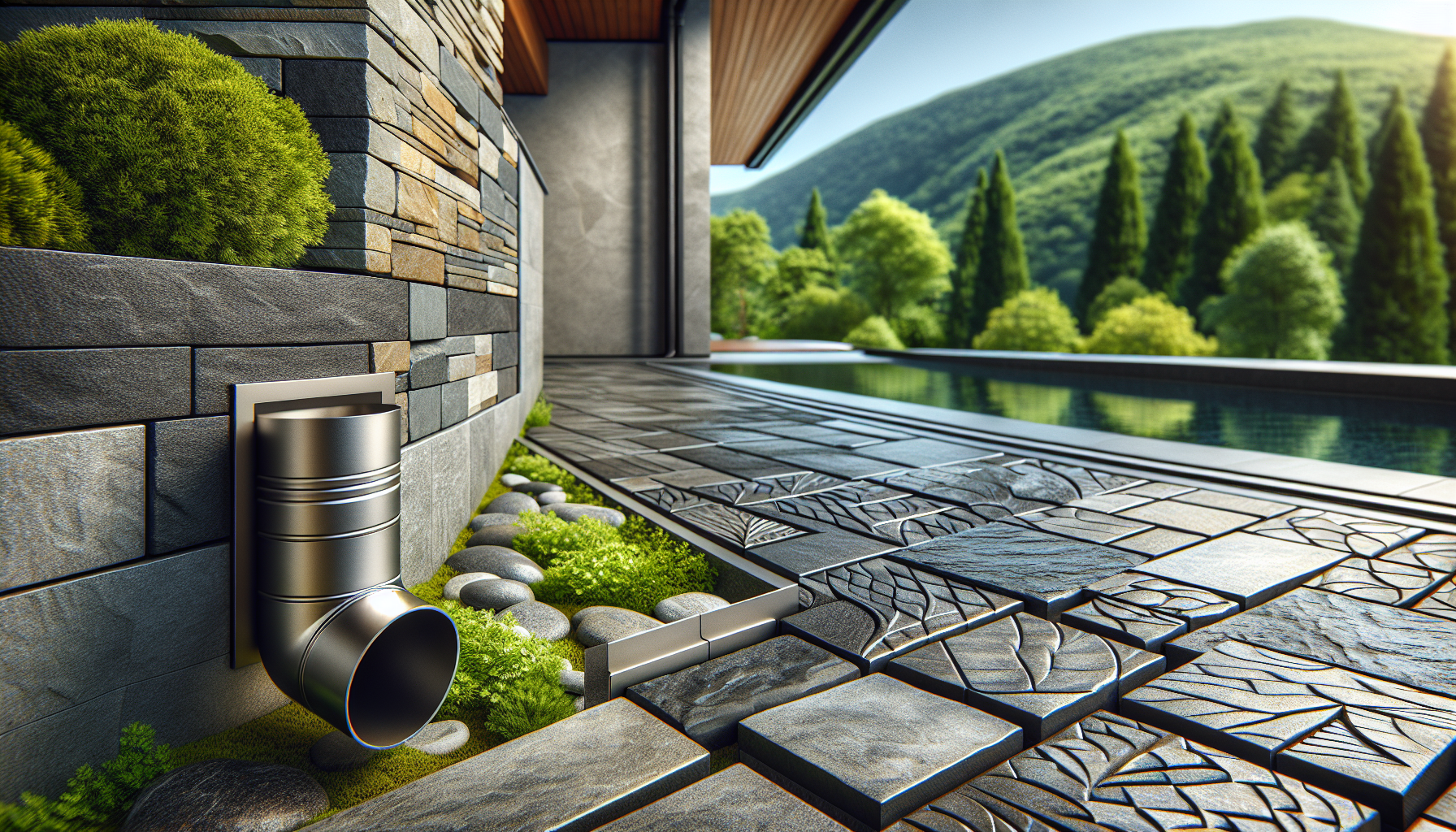
With your design in hand, the implementation phase begins. Depending on your skill level, you may decide to take on this project yourself or hire professionals for assistance.
DIY vs. Professional Help
-
DIY: If you have some experience and the necessary tools, tackling this project yourself can save money. Ensure you follow guidance and safety protocols during installation.
-
Professional Installation: Hiring professionals, like Xclusive Home Services, can ensure the job is done correctly. They can help with design and execution, which is particularly helpful for larger projects.
Installation Steps
-
Prepare the Site: Clear away old landscaping, sod, or debris in the area where you’ll install your hardscaping elements.
-
Level the Ground: It’s essential to have a level base for any hardscaping materials, especially patios and walls.
-
Install Drainage Features: Set up any drainage features or channels before adding your hardscaping elements. This ensures they function properly.
-
Lay Your Materials: Begin installing your selected materials, making sure to follow your design plans closely.
-
Finish and Stabilize: Finally, make sure to stabilize your hardscaping. Adding sand between pavers or compacting gravel can help maintain the integrity of your design.
Maintaining Your Hardscaping and Downspouts
Once you’ve installed your hardscaping for downspouts, regular maintenance is crucial.
Routine Maintenance Tips
-
Inspect Regularly: Check for any blockages in your downspouts and ensure water flows freely.
-
Clean Debris: Keep your hardscaping clear of leaves, dirt, and other debris that could impede water flow.
-
Check for Erosion: After heavy rains, inspect your yard for any signs of erosion and make adjustments as needed.
-
Seal When Needed: Depending on the materials you’ve used, some may require sealing or treatment to maintain their appearance and durability.
Consulting With Experts
If you’re unsure about how to proceed with your hardscaping for a downspout installation, consulting with professionals can provide clarity.
Why Choose Professionals?
-
Expertise: They possess knowledge about local terrain and conditions, ensuring appropriate solutions for your property.
-
Design Help: They can assist with creating a design that not only looks good but functions well for the drainage issues in your area.
-
Quality Assurance: Contractors like Xclusive Home Services guarantee that installations meet high standards, providing peace of mind and long-term solutions.
Why Trust Xclusive Home Services
If you’re looking for trustworthy support for your hardscaping needs, consider Xclusive Home Services. Founded in 2025, they operate from 14505 N Hayden Rd., Ste 101, Scottsdale, AZ 85260. Their mission revolves around delivering quality home services, and they’re particularly recognized for their expertise in hardscaping.
You can reach them at (602) 341-5545 or via email at management@xclusivehomeservicesco.com. Their team will guide you through the process, from planning and design to installation and maintenance.
Final Thoughts
Using hardscaping for downspout installation is a practical method to manage water drainage while enhancing the beauty of your property near Tempe. By understanding the landscape, planning effectively, and possibly consulting with experts, you can create a well-functioning, attractive outdoor space. Remember that effective water management prevents future issues and preserves the integrity of your property over time.