

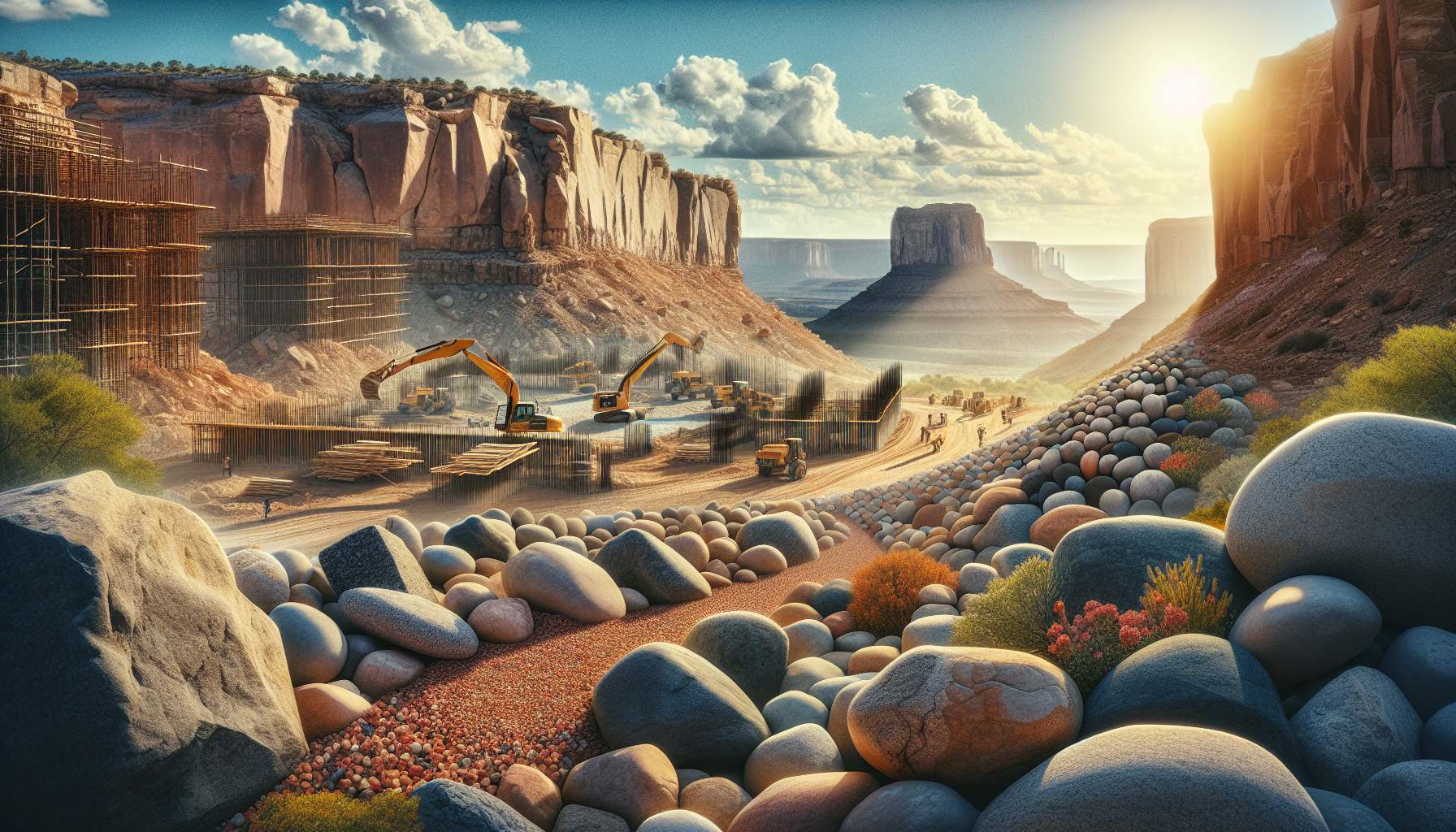
Have you ever thought about how to enhance your outdoor space while ensuring it stands the test of time? If you live in or around Mesa, Arizona, hardscaping can play a crucial role in achieving both durability and aesthetic appeal.

Living in Mesa, Arizona
Mesa is a vibrant city that boasts a unique blend of desert landscapes and urban conveniences. As the third-largest city in Arizona, it offers a range of amenities, including parks, shopping centers, and cultural attractions. You can enjoy activities like hiking at the Usery Mountain Regional Park or exploring the local art scene at the Mesa Arts Center.
This city experiences a warm climate, which means that outdoor living spaces are popular. Residents often look for ways to enhance their properties, making hardscaping an appealing option. It allows you to create functional spaces like patios, walkways, and outdoor kitchens that withstand the elements while adding beauty to your home.
Choosing to incorporate hardscaping into your landscape design can improve not just the aesthetics but also the value of your property. As you consider different options for your outdoor area, it’s essential to understand how hardscaping, especially stone base construction, can provide you with long-lasting and appealing results.
What is Hardscaping?
Hardscaping refers to the non-plant elements of landscaping, including pathways, patios, walls, and other structures made from materials like stone, concrete, and brick. Hardscaping provides structure to your outdoor space, ensuring it’s not just beautiful but also functional.
Benefits of Hardscaping
Choosing to incorporate hardscaping into your landscape design brings several benefits, especially in a hot and dry climate like Mesa. Here are some key advantages:
- Durability: Hardscaping materials are robust and long-lasting. They can withstand the harsh UV rays of the sun and the shifting soil common in desert landscapes.
- Low Maintenance: Unlike gardens filled with plants, hardscaping requires little maintenance. You won’t need to water or regularly tend to it, which saves you time and effort.
- Versatile Design Options: There are numerous materials and designs to choose from, allowing you to create a space that reflects your personal style.
- Enhanced Functionality: Hardscaping can create usable areas for entertaining, lounging, or simply enjoying the outdoors.
Choosing the Right Materials
Selecting suitable materials for your hardscaping project is essential. Natural stone, concrete, and pavers are popular options in Mesa. Here’s a closer look at each:
Natural Stone
Natural stone is a classic choice for hardscaping. It comes in various varieties, including granite, slate, and sandstone. Each type has unique textures and colors, allowing you to create a tailored look. Natural stone is durable and can complement the Southwestern architecture often seen in Mesa homes.
Concrete
Concrete is one of the most versatile materials for hardscaping. It can be poured into various shapes and sizes, making it suitable for patios, walkways, and retaining walls. Decorative concrete options can mimic the look of natural stone while offering the durability of concrete.
Pavers
Pavers are another popular choice. Made from brick or concrete, they can be arranged in various patterns, adding visual interest to your landscape. Pavers are durable, easy to replace if damaged, and can integrate well with other materials.
Planning Your Hardscaping Project
Before you begin your hardscaping project, take time to plan. Here are some steps to guide you through the process:
- Define Your Purpose: Determine how you want to use your outdoor space. Do you need a seating area, a pathway, or a feature like a fire pit?
- Set a Budget: Knowing how much you wish to spend upfront will help inform your material choices and design.
- Design the Layout: Sketch a rough layout of your hardscaping project to visualize how it will look in your yard. Consider consulting with a professional for expert advice.
- Choose Your Materials: Based on your design and budget, select the appropriate materials that will suit your needs and aesthetic preferences.
Preparing the Site
Once you have a plan in place, preparation becomes essential. Here’s how to get started:
- Clear the Area: Remove any grass, plants, or debris from the area where you plan to install your hardscaping elements.
- Level the Ground: Ensure the ground is level to prevent uneven surfaces in your design. You may need to dig or fill in areas with soil to achieve a flat surface.
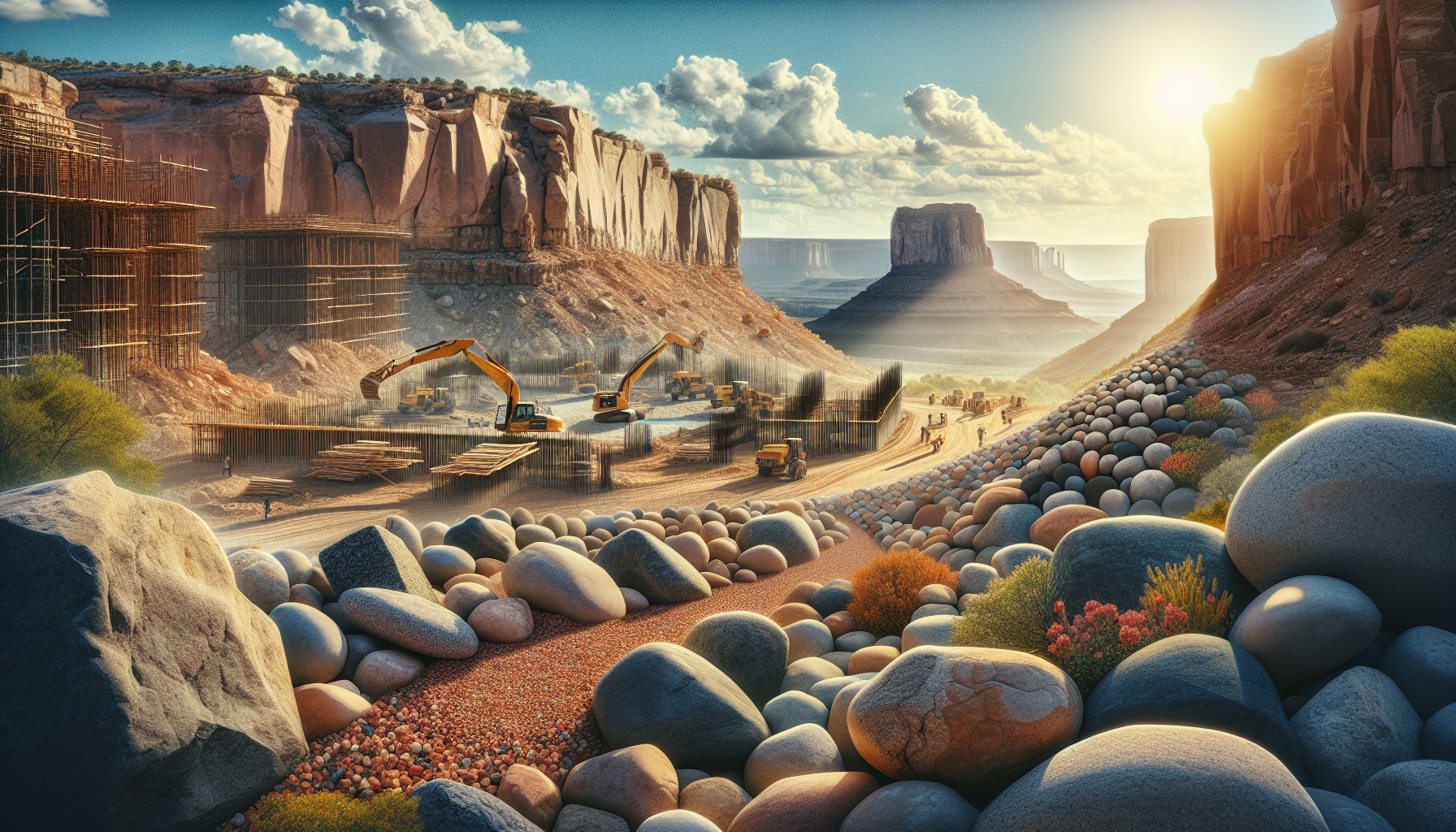
- Install a Base Layer: For stone base construction, a solid and stable base is critical. Depending on the material you choose, a base of sand, gravel, or crushed stone can provide the necessary support.
Stone Base Construction: A Step-by-Step Guide
Constructing a stone base for your hardscape can give your patio or pathway the stability it needs. Follow this simple guide to get started:
Step 1: Digging the Area
Begin by marking the perimeter of your project. Using a shovel, dig to a depth that accommodates the stone base, usually around 4 to 6 inches, depending on your design. Ensure that the edges are straight and the corners are sharp for a professional finish.
Step 2: Adding the Base Material
Once the area is dug out, add a layer of crushed stone or gravel. This layer acts as a drainage system to prevent water pooling and damage to your hardscaping. Spread the gravel evenly to a depth of about 2 to 4 inches.
Step 3: Compacting the Base
Next, compact the gravel to create a stable surface. You can rent a plate compactor from a local hardware store for this step. This process minimizes shifting and settling, ensuring your hardscaping remains level over time.
Step 4: Laying the Stones
Carefully place the stones or pavers on top of the compacted base. Begin from one corner and work your way out, ensuring each stone fits tightly together without gaps. Use a rubber mallet to tap the stones into place gently.
Step 5: Filling the Gaps
Once all the stones are laid, fill any gaps between them with sand or fine gravel. This step helps lock the stones together and prevents weeds from growing through.
Step 6: Compaction and Finishing Touches
After filling the gaps, go over the stones with the plate compactor one more time. This will further settle the base and ensure everything is tight and secure. Finally, sweep away any excess sand to keep your new hardscape looking clean.
Maintaining Your Hardscaping
Once your hardscaping project is complete, regular maintenance will help you keep it looking its best. Here are some quick tips to maintain your stone base construction:
- Regular Cleaning: Sweep away leaves and debris to prevent staining and moss growth. Occasionally, wash the surface with a pressure washer to remove dirt.
- Weed Management: Keep an eye out for any weeds that may push through the gaps. Pull them out by hand or use eco-friendly weed killers if necessary.
- Joint Filling: Over time, the sand filling between your stones may wash away. Replacing it periodically can help maintain their stability.
Why Choose Xclusive Home Services?
For all your hardscaping needs, you can count on Xclusive Home Services. Founded in 2025, they specialize in hardscaping projects that elevate your outdoor spaces. Their team is knowledgeable and dedicated to ensuring your vision comes to life.
Here’s how you can contact them:
Xclusive Home Services
14505 N. Hayden Rd., Ste. 101
Scottsdale, AZ 85260
Phone: (602) 341-5545
Email: management@xclusivehomeservicesco.com
With their expertise, you can feel confident in the quality and durability of your hardscape.
Conclusion
Incorporating hardscaping into your outdoor project can transform your space, providing both functionality and beauty. As you consider stone base construction near Mesa, remember the benefits of durability, low maintenance, and design versatility. Follow the steps outlined here, and don’t hesitate to reach out to Xclusive Home Services for expert assistance.
Create an outdoor space that enhances your home and complements the warm desert community of Mesa. Your home deserves it!