

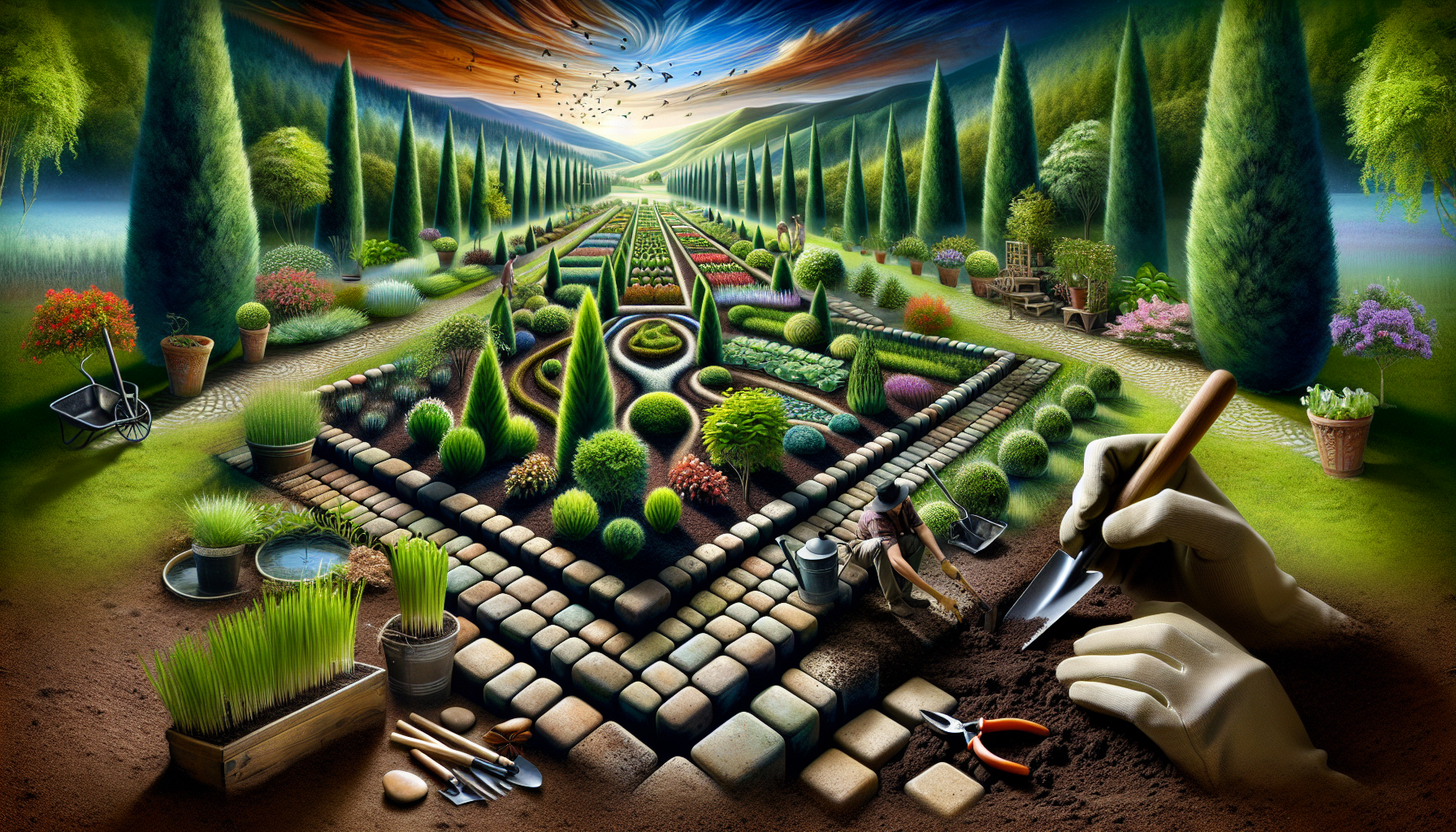
What role do you think trees play in enhancing your hardscaping projects?
Incorporating trees into your hardscaping can create a harmonious blend of nature and architecture. Let’s explore how tree planting complements hardscaping, the benefits of trees, and how to effectively include them in your designs.

Understanding Hardscaping
Hardscaping refers to the non-plant elements of landscaping. This includes features like patios, pathways, walls, and other structures made from materials such as stone, brick, concrete, and wood. Since hardscaping can dominate the visual landscape, adding trees can provide balance and character.
The Importance of Trees
Trees add more than just beauty to your yard. They provide shade, improve air quality, and create habitats for wildlife. Strategically located trees can also shield your home from harsh winds. They play a crucial role in your outdoor environment, enhancing both functionality and aesthetics.
Visual Appeal
One of the easiest ways to enhance your hardscaping is by selecting trees that complement the materials and colors of your hardscape features. For instance, if you have a stone walkway, consider planting trees with bark or foliage that matches or contrasts beautifully with the stone.
Cooling Effect
Trees can lower the temperature around your home. Their shade can protect your hardscaping from sun damage and make outdoor spaces more usable during hot weather. Strategically placed trees create a microclimate that encourages outdoor activities throughout the warmer months.
Choosing the Right Trees
Selecting the right tree species for your hardscaping project is vital. Consider the following factors when choosing trees:
Climate Adaptability
You want to choose trees that thrive in your local climate. Drought-tolerant varieties work well in arid regions, while other species may flourish in humid environments. Research your area’s climate zones to find suitable options.
Size and Growth Rate
Think about the mature size of the trees you select. If you’re limited on space and want to avoid overcrowding, opt for smaller or slow-growing varieties. On the other hand, larger, fast-growing trees can provide instant shade and impact but may require more maintenance.
Root Structure
Trees have different root systems, which can directly impact your hardscaping. Some trees have shallow roots that won’t disturb your pathways and patios, while others have deep roots that could lift stones or slabs. It’s essential to consider the root structure to prevent damage to your hardscaping.
Planning Your Tree Placement
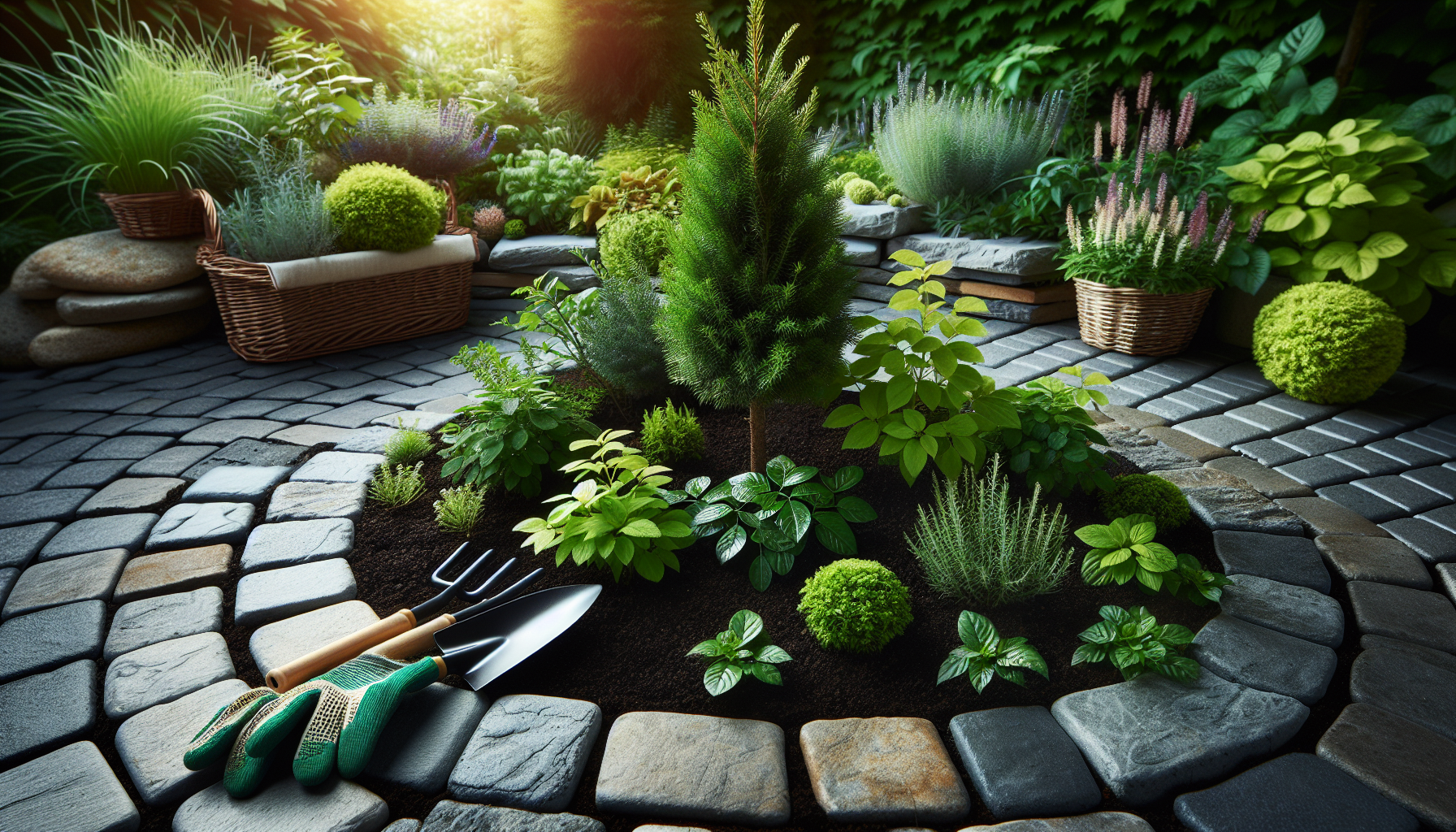
Effective planning is key when incorporating trees into your hardscaping. Here are some tips to help you with the placement:
Distance from Structures
Plant trees at a distance that allows them to grow healthily without damaging nearby structures. A good rule is to plant them at least 10-15 feet from roads, patios, and foundations. This distance will help prevent root interference with hardscaping elements.
Maximizing Sunlight Exposure
Consider how much sunlight each area of your hardscaping receives. Trees can block sunlight, so ensure you plant them in a way that doesn’t shade your garden spaces too much. For example, if you have a vegetable garden, you might want some trees nearby for partial shade without blocking all sunlight.
Consider Seasonal Changes
Take into account how trees will look in different seasons. Some trees lose their leaves in winter, while others remain evergreen. Ensure you consider the visual impact of seasonal changes on your hardscaping.
Maintenance for Healthy Trees
Once you’ve planted your trees, maintaining them is vital for their survival and growth. Here are some essential maintenance tips:
Watering
Newly planted trees require adequate water to establish their root systems. Water them regularly, especially during the first year after planting. Be mindful of the tree species because their water needs may vary significantly.
Pruning
Regular pruning helps maintain healthy trees. Remove dead or unhealthy branches to allow for better air circulation and sunlight penetration. Pruning also shapes the tree, helping it fit better within your hardscape design.
Fertilizing
Fertilizing your trees provides them with essential nutrients for growth. Choose a good quality fertilizer and follow the label directions. Be cautious with the amount you apply to prevent root burn.
Integrating Trees into Specific Hardscaping Features
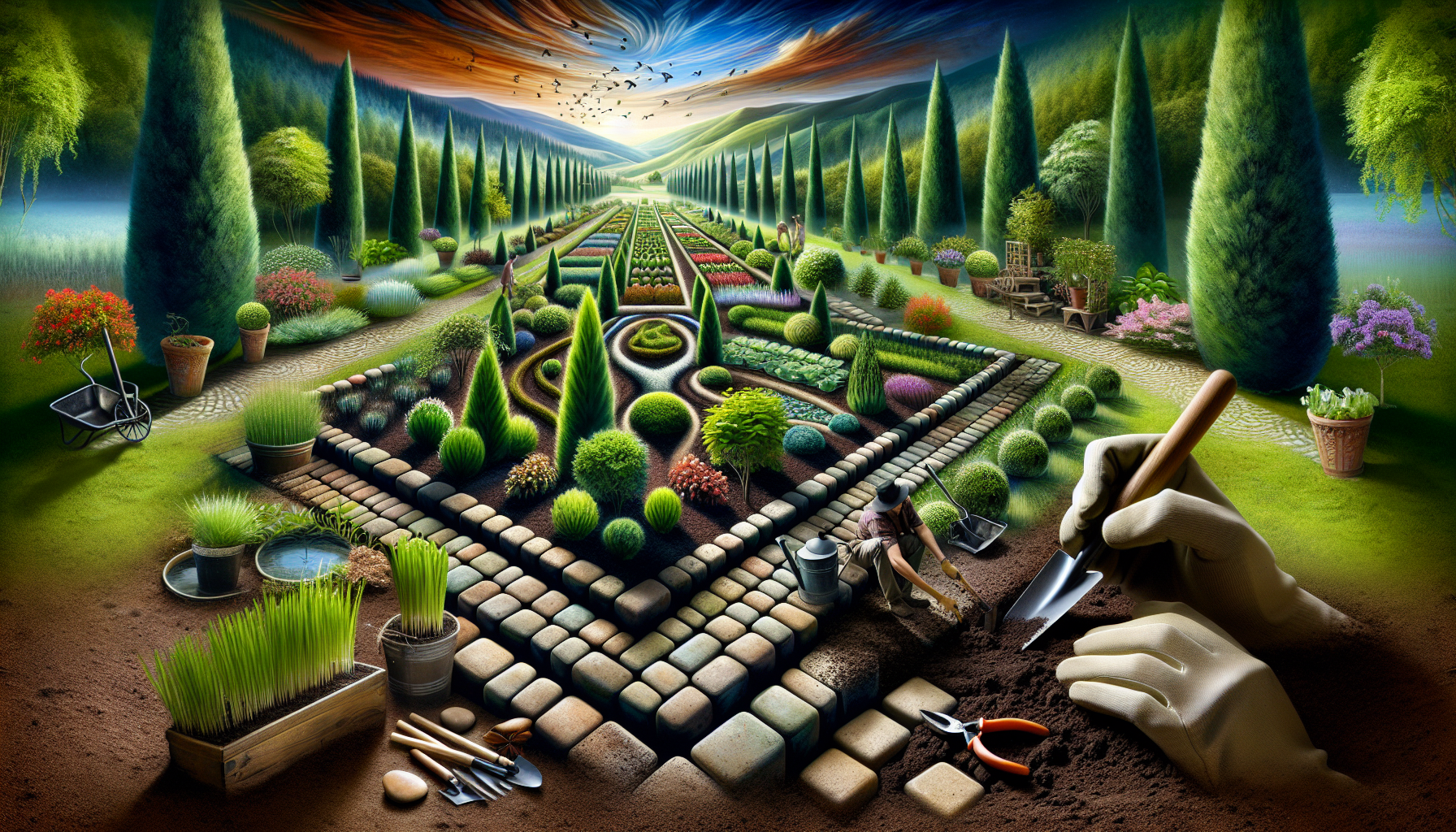
Now that you know about tree selection, placement, and maintenance, let’s delve into how specific hardscaping elements can benefit from the addition of trees.
Patios
When designing your patio, consider placing trees nearby to create inviting shaded areas. Trees can offer cooler spots to relax while enjoying your outdoor space. As you sit on your patio, trees can enhance the view and provide added privacy.
Walkways
Planting trees along walkways can guide guests and create a sense of enclosure. The dappled sunlight filtering through the leaves can create an enchanting atmosphere as you walk. Take care to position trees so that their roots don’t disrupt the path materials.
Retaining Walls
If you have retaining walls, trees can soften their hardness. Planting trees at the top or on either side of the wall can enhance visual appeal. Be mindful, though, of the tree’s roots as they can impact wall stability if they grow too close.
Tree Planting Techniques
To ensure your trees thrive, select appropriate planting techniques. Below is a simple guide to effective tree planting:
Digging the Hole
When planting a tree, start by digging a hole twice as wide as the root ball. This gives the roots plenty of space to spread out. Make the hole deep enough so that the tree sits at the same level it was growing in the nursery.
Placement
Carefully remove the tree from its container and gently loosen the roots if they are tightly bound. Place the tree in the hole and ensure it is straight. Backfill with soil, tamping lightly to eliminate air pockets.
Watering After Planting
Once your tree is in place, water it generously to help settle the soil around the roots. Regular watering continues after planting to establish a healthy root system.
Creating a Balanced Landscape
Balancing trees and hardscaping can create a harmonious landscape. Aim for a mix of hard and soft elements. Here are tips to achieve that beautiful balance:
Layering Heights
Consider the height of trees in relation to your hardscaping. Taller trees can offset shorter features and create visual interest. Placing shorter shrubs and plants in front of a tall tree can also lead to a well-layered appearance.
Color Coordination
Choose trees that tie in with your hardscaping colors. Select leaves and flowers that match or contrast beautifully. This coordination can unify your outdoor space.
Textural Contrast
Think about integrating different textures. The roughness of stone or wood from hardscaping can be beautifully complemented by the soft leaves of trees. This combination enhances visual interest throughout your landscape.
Community and Environmental Benefits of Trees
Trees benefit not only your property but also the community and environment. Here’s how:
Air Quality Improvement
Trees absorb carbon dioxide and release oxygen, improving air quality. They also filter dust and pollutants. Adding trees boosts the health of your environment and community.
Habitat Creation
Trees provide habitats for birds and other wildlife. Encouraging biodiversity through tree planting contributes to a more vibrant ecosystem. This interaction is important for maintaining local wildlife populations.
Aesthetic Value
Greenery improves neighborhood aesthetics. Trees can increase property values by enhancing curb appeal. Homebuyers often seek properties with beautiful landscapes, so incorporating trees can be a smart investment.
Professional Help for Tree Planting and Hardscaping
If you feel overwhelmed or unsure about how to integrate trees into your hardscaping project, consider seeking professional help.
Why Choose Xclusive Home Services?
Xclusive Home Services, based in Scottsdale, AZ, is your one-stop solution for all hardscaping needs, including tree planting. Founded in 2025, their expertise can guide you through the entire process, ensuring a beautiful and functional outdoor space.
You can visit Xclusive Home Services at:
14505 N. Hayden Rd., Ste. 101
Scottsdale, AZ 85260
Phone: (602) 341-5545
Email: management@xclusivehomeservicesco.com
Final Thoughts
Planting trees for your hardscaping projects can bring numerous benefits, from visual appeal to environmental advantages. By considering factors like tree selection, placement, and maintenance, you can create a balanced and beautiful outdoor space. Don’t hesitate to reach out to professionals if you need assistance along the way. Happy planting!