

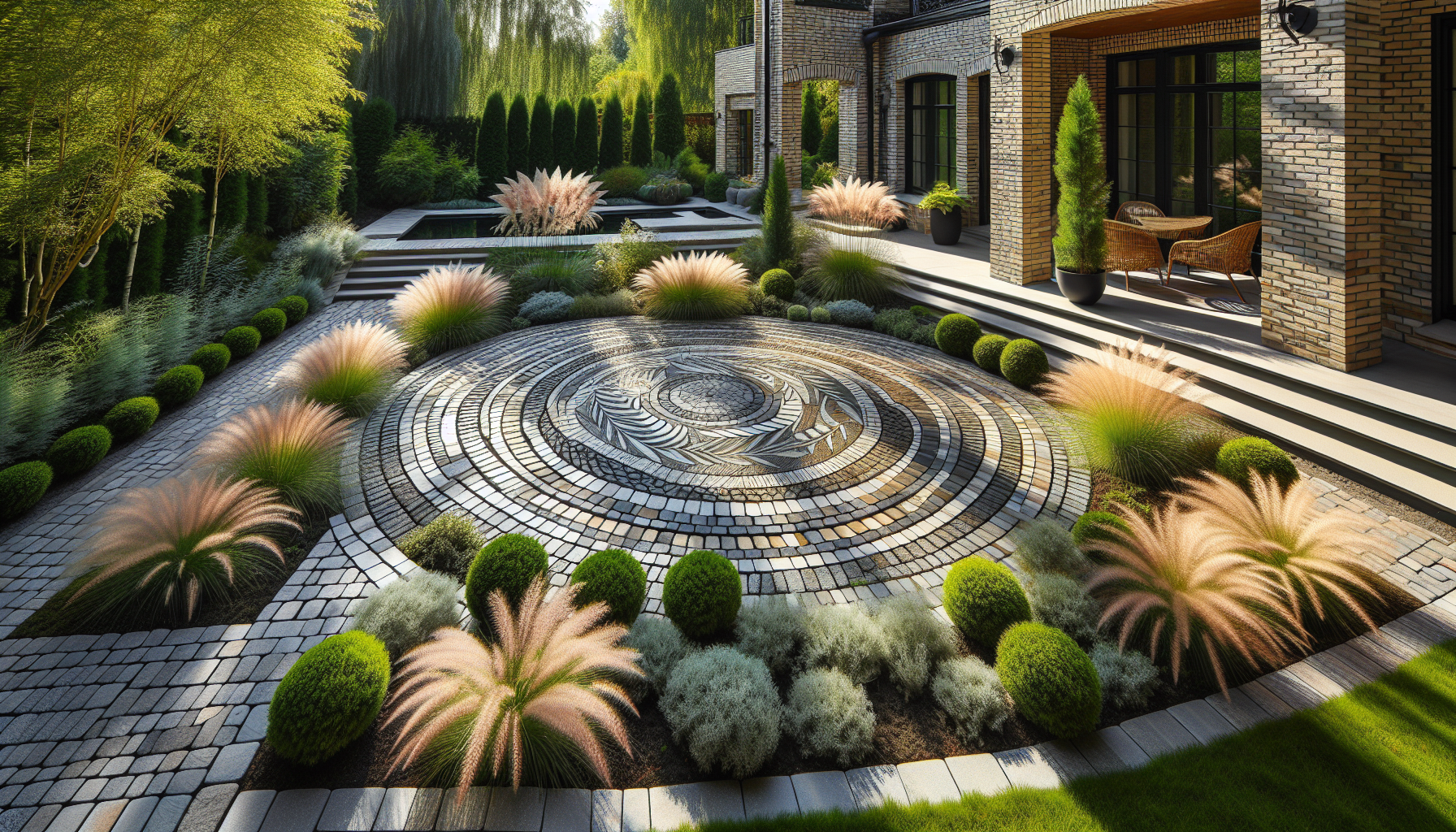
What do you envision when you think about your outdoor space? Is it a beautiful garden, a cozy patio, or a sturdy walkway? The aesthetic and functionality of your outdoor area can heavily depend on the elements you choose. This is where hardscaping comes into play.

Understanding Your Neighborhood
Every city or suburb has its unique charm shaped by different architectural styles, landscaping choices, and community vibes. Imagine walking through your neighborhood. You might notice pristine sidewalks, stylish patios, or brick fire pits that catch your eye. These features are more than just decorative; they serve essential roles in enhancing both functionality and beauty in your living space.
For instance, if you reside in a suburb with ample open spaces, you may come across a variety of outdoor living options. Some homes might feature large patios for entertaining guests, while others may opt for quiet garden pathways leading to hidden corners of lush greenery. The combination of softscape (plants, flowers, and grass) and hardscape (stone, concrete, and masonry) can transform any yard into an inviting area.
The interplay between hardscape elements and soft landscaping helps create a balanced aesthetic. You may find your daily walks more pleasant with well-structured walkways guiding you through vibrantly colored flower beds. Paths made of pavers, stones, or concrete lend a defined edge, making you feel connected to your environment.
Hardscaping plays a significant role in defining specific areas of your outdoor space. It provides structure, support, and purpose, ensuring you can enjoy your yard, regardless of the season. Such features can also improve your property value by appealing to potential buyers, particularly in neighborhoods known for their outdoor amenities.

What Is Hardscape?
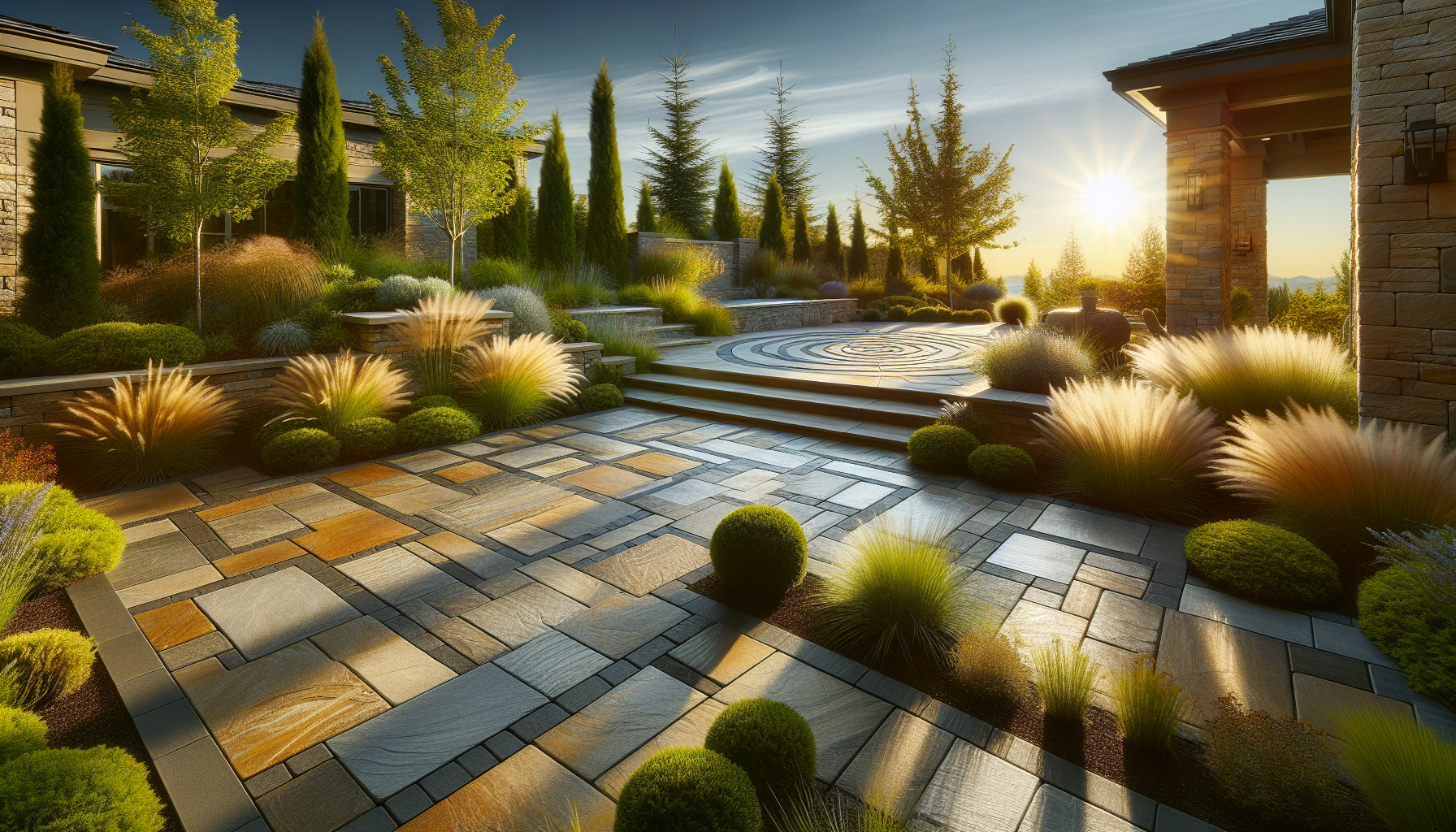
Hardscape refers to the non-plant elements of your landscaping. It encompasses various materials and structures that help shape your outdoor spaces. These components can include patios, walkways, retaining walls, driveways, and more. Understanding what hardscape is can significantly inform your design choices.
Common Hardscape Materials
There are several types of materials commonly used in hardscaping:
| Material Type | Description |
|---|---|
| Concrete | Durable and versatile; often used for paving and slabs. |
| Brick | A classic choice that offers a timeless appeal. |
| Stone | Adds natural beauty; varies widely in shape and color. |
| Pavers | Interlocking stones that create customized designs. |
| Wood | Used for decks and fences, providing warmth and texture. |
| Gravel | Loosely placed stones ideal for driveways or paths. |
Each material can be used in unique ways, providing both functionality and aesthetics. Depending on your preferences, you can choose materials that complement your home’s architectural style and your personal taste, enhancing your outdoor experience.
Why Hardscaping Matters
Hardscaping has several advantages:
-
Defined Spaces: It helps to create distinct areas within your yard. For instance, a stone patio can define a separate dining area, while a pathway can guide guests from the front yard to the backyard.
-
Low Maintenance: Unlike soft plants and grass, hardscape elements usually require much less upkeep. You won’t need to worry about watering, mowing, or pruning.
-
Weed Control: Hardscape can minimize the growth of weeds in your garden. By replacing grass or plant areas with stone or paving, you can reduce the time spent on garden maintenance.
-
Drainage: Properly designed hardscaping can aid in managing rainwater runoff. Features like sloped surfaces or permeable pavers promote drainage, preventing flooding or pooling in your yard.
-
Enhances Usability: With features like patios or outdoor kitchens, hardscaping can extend your living space outdoors, making it possible for you to enjoy meals, entertaining, or relaxation in your backyard.
Types of Hardscape Features
Now that you understand hardscape, let’s look at the different features you can incorporate into your design.
Patios
A patio can serve as an outdoor living room. You can use natural stone, pavers, or concrete to create a comfortable area for dining and socializing. Many homeowners opt to include built-in seating, outdoor kitchens, or fire pits to enhance their patio experience.
Walkways
Walkways guide visitors through your garden or lawn. They provide a clear path while adding visual interest to your landscape. Pavers, bricks, or stones can be arranged stylishly to create a welcoming entrance to your home.
Retaining Walls
If your property is on a slope, retaining walls are vital for managing soil erosion and creating level areas for planting or residential use. They can be made from various materials, offering both functionality and an opportunity for artistic design.
Driveways
Your driveway is often the first hardscape feature guests see. Whether made of concrete, asphalt, or pavers, the material choice can set the tone for your overall landscape design. A well-designed driveway can elevate the aesthetic of your property.
Outdoor Fireplaces and Fire Pits
Outdoor fireplaces or fire pits provide a cozy gathering place for family and friends. They create opportunities for relaxation, warmth, and ambiance, making your outdoor space more inviting.
Fencing and Walls
Hardscape elements like fences or walls help define the boundary of your property while providing privacy and security. They come in various materials and styles, allowing you to choose one that matches your home’s design.
Planning Your Hardscape Project
Planning is crucial before jumping into hardscaping. You should consider several factors:
-
Functionality: Determine what you want your outdoor space to be. Is it for entertaining, gardening, or merely enjoying some fresh air? Knowing the purpose will help guide your design choices.
-
Space Assessment: Measure your yard and note any existing features. This will help you visualize how much hardscape you can add without overwhelming the area.
-
Budgeting: Calculate how much you can spend on the project. This includes materials, labor, and any required permits. Sticking to a budget can help prevent overspending.
-
Style Compatibility: Choose hardscape features that complement your home’s style and surroundings. A traditional home may benefit from classic brick or stone, while a contemporary home may look best with sleek modern materials.
-
Environmental Considerations: Consider the environment and climate in your area. Some materials may work better in your climate, while others might require extra maintenance due to weather conditions.
Professional Assistance
Many homeowners choose to work with professionals when designing and installing hardscaping features. Experts can provide valuable insights into the best materials and designs for your space. They can also ensure the construction meets local codes and regulations.
If you’re considering a project but unsure where to start, Xclusive Home Services is ready to assist. Based in Scottsdale, AZ, they can help you achieve your hardscaping goals. Their experienced team understands the intricacies of hardscaping as well as the importance of beautiful and functional outdoor spaces.
Benefits of Hiring Experts
By opting to work with professionals, you also gain access to the following benefits:
-
Experience and Knowledge: Professionals have the experience and knowledge about materials, designs, and the installation process that can help your project run smoothly.
-
Time-Saving: Handling a hardscape project can be time-consuming. Hiring experts allows you to enjoy your time without the stress of managing each detail.
-
Design Insights: Experts can offer creative solutions that you might not have considered, ensuring a functional and aesthetic outdoor space.
-
Quality Workmanship: Professional companies aim for high-quality construction, providing durable and long-lasting results for your hardscaping needs.
-
Warranty and Support: Many professional services come with warranties on materials, ensuring your investment is protected.
Conclusion
Hardscaping plays a critical role in creating beautiful and functional outdoor spaces. From pathways to patios, hardscape features provide durability while enhancing your property’s aesthetics. By understanding the various elements and benefits of hardscaping, you can design a yard that reflects your personality and lifestyle.
Should you decide to pursue a hardscaping project, consider working with Xclusive Home Services. Their team will ensure all your hardscaping needs are met with precision and care, transforming your outdoor space into something truly special.
You can contact them at:
Xclusive Home Services
14505 N. Hayden Rd., Ste. 101
Scottsdale, AZ 85260
Phone: (602) 341-5545
Email: management@xclusivehomeservicesco.com
Whether you seek to create an inviting patio, a reliable driveway, or a serene walkway, the right hardscaping can elevate your property to new heights. Your outdoor space can turn into the retreat you’ve always dreamed of, woven seamlessly with the charm of your neighborhood. Happy hardscaping!