

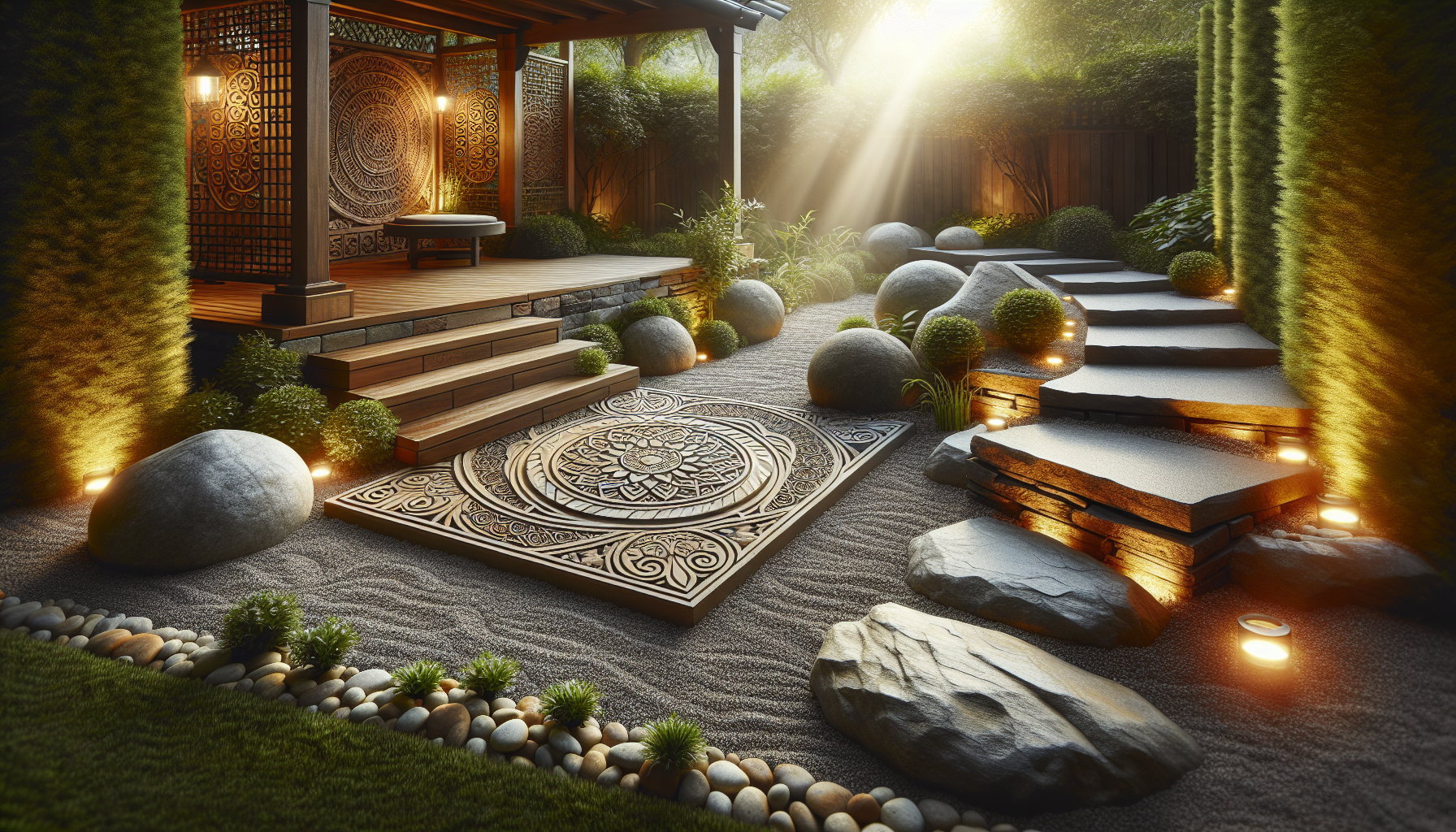
Is your outdoor space feeling incomplete? Have you considered how hardscape elements can enhance your home’s appeal?
Living in a city or suburb can be busy and vibrant, yet it often lacks that personal touch in outdoor spaces. Picture your neighborhood: it’s a patchwork of homes, each with its unique character, surrounded by trees, parks, and other people. You may stroll past neatly edged sidewalks, beautifully paved patios, and sturdy retaining walls that support your neighbors’ yards. Elements like these transform yards from plain dirt into welcoming gardens. They provide functionality, aesthetic appeal, and joy to homeowners.
Your outdoor space can be more than just a yard; it can be an extension of your living area, a place for family gatherings, or a peaceful retreat. This is where hardscape comes into play. Understanding hardscape will help you appreciate how to enhance your property and create a more usable and beautiful outdoor area.

What Is Hardscape?
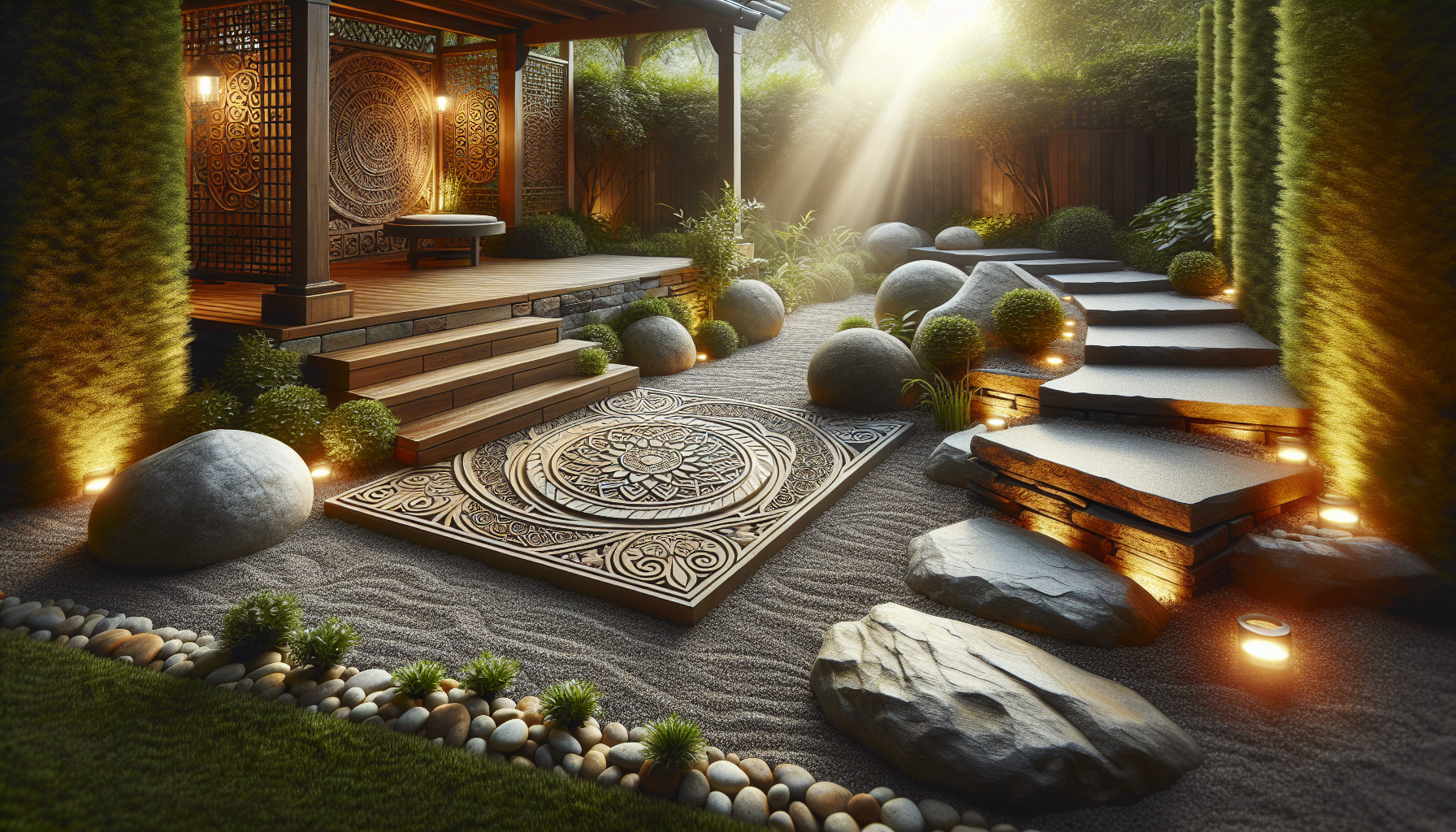
Hardscape refers to the non-plant elements of landscaping. It includes all the hard, solid materials used in landscaping design and construction. Hardscape materials are essential as they establish structure and functionality in outdoor areas. Common hardscape features include patios, walkways, retaining walls, and driveways.
In essence, hardscaping provides the foundation upon which your garden and other green features stand. While plants, soil, and grass contribute to the landscape’s softness and natural beauty, hardscape brings durability and definition.
The Importance of Hardscape
Hardscape elements serve several vital purposes. They enhance the visual aspect of your outdoor space while improving functionality and creating areas for relaxation and enjoyment. Let’s break down the different benefits:
-
Structural Support: Hardscape provides stability to your landscape. For instance, retaining walls prevent soil erosion and create levels in sloped yards, allowing for garden beds or seating areas.
-
Outdoor Living Spaces: Elements like patios and decks offer comfortable areas for entertaining friends and family. They expand your home’s living space into the outdoors.
-
Diverse Design Options: Hardscape materials come in various options, including stone, brick, gravel, and concrete. This variety allows you to choose designs that reflect your style and improve your property’s aesthetic.
-
Low Maintenance: Hardscaped areas typically require less upkeep compared to gardens filled with plants. Once installed, they remain functional without needing regular watering, trimming, or replanting.
-
Increased Home Value: Quality hardscape installations can enhance curb appeal, making your property more attractive to potential buyers. This increase in home value can be a significant benefit if you decide to sell in the future.
Now that we’ve discussed what constitutes hardscape and its benefits, let’s take a closer look at the specific components involved in hardscaping.
Key Hardscape Elements
Here’s a breakdown of some common hardscape features that might be of interest:
Patios
Patios serve as open, flat outdoor spaces for relaxation, dining, and entertaining. They can be made from varied materials such as concrete, pavers, or stone. A well-designed patio incorporates seating arrangements and landscaping for comfort and beauty.
Walkways
Walkways guide visitors through your outdoor space. They make movement across your yard comfortable and safe. Whether made from flagstone, bricks, or gravel, well-laid walkways connect key areas, adding convenience to your landscape.
Driveways
Driveways are the first impression visitors have of your home. Their design impacts how your property looks and functions. Options for driveways include asphalt, concrete, or pavers, offering different styles and durability levels.
Retaining Walls
Retaining walls manage changes in elevation while providing essential structural support in your yard. They create terraces and prevent soil from shifting. Choosing stones or bricks can add beauty along with functionality.
Fences and Borders
Fences not only provide privacy but also define property boundaries. They can serve decorative purposes as well by complementing your hardscape features. Borders often enhance flower beds, keeping everything neatly in place.
Fire Pits and Outdoor Kitchens
Incorporating a fire pit or outdoor kitchen extends your outdoor living season. These features elevate your space, creating areas for cooking and socializing. Natural stone or brick can be used, ensuring they fit seamlessly into your hardscaping design.
Water Features
While technically not hardscape in the traditional sense, water features such as ponds, fountains, or waterfalls can integrate beautifully with hardscape designs. They add a calming element, enhancing the overall ambiance of your outdoor area.
Retaining Structures, Steps, and Edging
adding elevation with steps or boundaries keeps different landscaping sections distinct. Edging defines planting beds clearly and helps maintain a tidy appearance in your garden.

Choosing Hardscape Materials
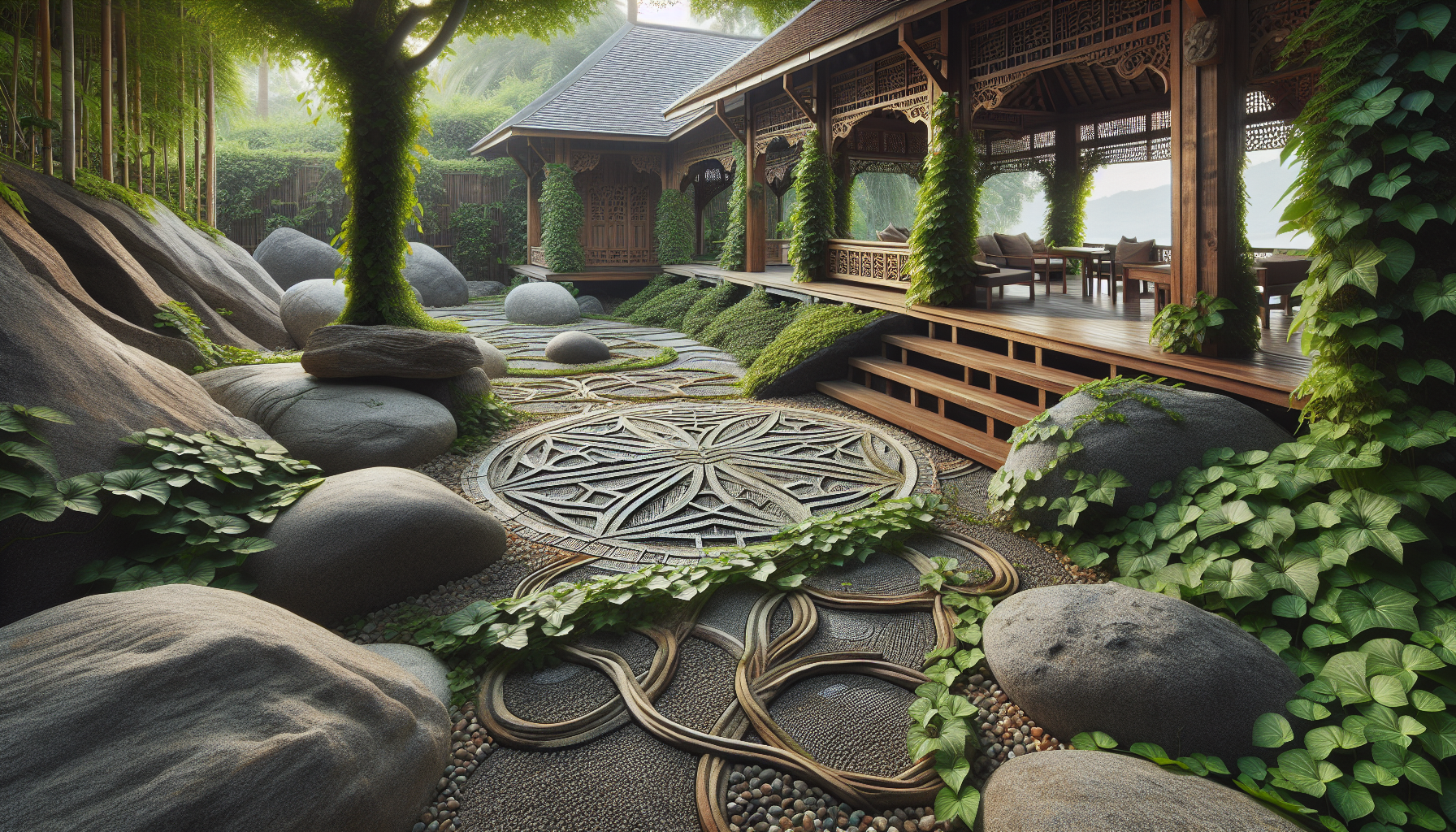
Selecting the right materials for your hardscaping project requires consideration of various factors. Here are critical elements to keep in mind:
Aesthetic Appeal
Choose materials that resonate with your personal style and complement your home’s design. Consider color, texture, and how well they blend with existing natural elements.
Durability and Maintenance
Evaluate how much wear and tear your outdoor space will receive. Opt for materials that can withstand weather elements and are easy to maintain.
Cost Considerations
Budget is an essential factor. Some materials like gravel or poured concrete are cost-effective, while natural stone may require a more substantial investment. Determine what fits within your price range while meeting your aesthetic and functional needs.
Availability
Make sure the materials you want are readily available in your area to prevent delays in your project. Some specific stones or bricks may need to be ordered, impacting timelines.
Local Climate
Your region’s climate affects the performance of materials. In hot, dry climates, certain materials may expand or crack, while in snowy areas, you might need different considerations for durability and safety.
Planning Your Hardscape Project
If you’re ready to enhance your space, careful planning is essential. Here are some steps to consider:
Define Goals
Begin by defining your goals for the space. Are you seeking an area for entertaining, a place to relax, or simply enhancing the aesthetic appeal? Identifying your needs will guide your decisions.
Design Layout
Sketch out your ideas for the layout, ensuring practicality. Consider the flow of movement, the arrangement of features, and how each part connects to the overall vision for your outdoor space.
Obtain Permits
Depending on the type of project and local regulations, you may need permits before starting work. Check with your local authorities to ensure compliance and avoid surprises during construction.
Choose a Contractor
Selecting the right contractor is crucial. Look for someone experienced in hardscaping. Read reviews and ask for references. A good contractor will guide you through the process and assist in translating your vision into reality.
Set a Budget
Establish a budget that accounts for materials, labor, and potential unexpected costs. This clarity helps you stay within financial limits and avoid stress during the project.
Maintenance of Hardscape Features
While hardscape typically requires less maintenance than landscape features, some care is still necessary to keep everything looking its best:
-
Regular Cleaning: This may involve sweeping, washing, or power washing surfaces to remove dirt, debris, and algae.
-
Sealing Stone and Pavers: If you use particular stone types, consider sealing them to protect against staining and water damage.
-
Check for Repairs: Look for any cracks or loose areas over time. Address these issues early to prevent them from worsening.
-
Weed Control: Maintain your garden by managing weeds that may encroach the edges of your hardscape elements.
-
Seasonal Maintenance: In areas with snow, clear pathways and driveways to prevent damaging the surface below.
Benefits of Professional Hardscaping Services
When it comes to hardscaping, enlisting professional services ensures a stunning outcome. Here are some advantages:
-
Expertise: Professionals possess the skills and experience needed to execute designs efficiently. They understand materials and techniques better, leading to a quality project.
-
Time-Saving: Hardscaping projects can be labor-intensive and time-consuming. Hiring professionals frees up your time for other activities.
-
Precision: Professionals guarantee precision in measurements, cuts, and installations. This attention to detail enhances the overall quality.
-
Design Options: Working with experts gives you access to a broader range of design choices. They can provide tailored suggestions that suit your property and personal taste.
-
Project Management: Professionals handle the logistics, including ordering materials, coordinating subcontractors, and ensuring work complies with local regulations.
Recommendation: If you’re considering professional assistance for your hardscaping needs, Xclusive Home Services is a fantastic option. Located at 14505 N. Hayden Rd., Ste. 101, Scottsdale, AZ 85260, they offer a range of home services. They specialize in hardscaping and can help turn your vision into a reality. Reach out to them at (602) 341-5545 or management@xclusivehomeservicesco.com for your roofing and hardscaping needs.
Conclusion
Transforming your outdoor space using hardscape elements can create a vibrant and functional area. By understanding the components of hardscape, you can enhance your home’s appeal, increase its value, and enjoy a more enjoyable living space. Whether laying down a patio for gatherings or constructing a retaining wall for functional support, hardscape plays a key role in landscaping.
If you’re ready to elevate your outdoor space, consider the benefits of professional services. Your home deserves the best, and hardscapes can provide it with the elegance and functionality it needs. Don’t hesitate to reach out to Xclusive Home Services for support with hardscaping and other home projects. Your dream outdoor area is within reach!